A Tessa student plays in a water playground

Preparing Kids for Summer Camp Safety

With the return of the warmer months, it’s officially that time of year for kids again: summer camp season. In previous years, this time of year inspired excitement, learning activities galore, and a chance to socialize with friends our little ones hadn’t seen in weeks. Now, with the health risks of a lingering pandemic, summer camp is inciting a new set of emotions for families. For some, it’s still filled with excitement as our children look forward to seeing friends after an extended time away – but it’s also filling many parents with dread and anxiety as things slowly open back up. There seems to be one burning question: how do we keep our kids safe, yet allow them the much-needed camp time? Let’s take a look at the best way to plan for summer camp safety this year.

Planning for Summer Camp Safety

As facilities begin to reinstate their public programs – including summer camp activities – there will undoubtedly be questions surrounding the safety of staff and children as things phase back to pre-pandemic “norms.” In order to ensure our families and friends maintain the highest level of health and safety, there are a few precautionary measures that need to be observed. The best way to make sure this happens is to check local and national guidelines and recommendations as well as speak directly with camp staff prior to enrollment. Summer camp safety depends entirely on the diligence of our community members to remain in the loop and practice safe public habits.

Prepare Children for Safe Public Interactions

By now you’ve likely mastered the list of safe public health practices like handwashing, no face-touching, social distancing, and mask-wearing. Knowing these practices and ensuring our children practice them as well can be two different beasts altogether, however. Prior to the start of camp, be sure to reiterate with your children the required safe health practices such as:

  • Personal Hygiene. Be sure kids are washing hands frequently and properly. They need to be aware of restroom facility locations and how/when to use them for washing as needed.
  • Movement and Etiquette. As difficult as it may be, make sure children are practicing critical health etiquette actions like coughing or sneezing in an elbow (not hands) or in a tissue. Also, make sure they are aware they should avoid touching their faces as much as possible.

2024 Updates: More Safety Tips for Summer Camp

After more than four years with COVID-19, the Centers for Disease Control and Prevention (CDC) recently reported the lowest new, weekly coronavirus hospitalizations since the pandemic began. Health precautions are still crucial, considering the possibility of new variants. Tessa always follows the CDC’s Respiratory Virus Guidance and includes school policies that help reduce illness and prevent the spread of common infections. In addition, there are also other important tips to ensure your child has a safe and enjoyable time at summer camp: 

  • Stay Hydrated: Camp activities can be sweat-inducing and cause the body to lose water. There are accessible drinking fountains and bottle refilling stations designed for kids all around Tessa. Pack a reusable water bottle for your children. Remind them to refill it regularly and drink plenty of water throughout the day.  
  • Practice Sun Safety: Sunshine is synonymous with camp. Proper exposure to sunlight promotes the synthesis of Vitamin D, which is important for bone and muscle growth. Yet excessive sun exposure might lead to skin damage. Protect your children from harmful UV rays by applying sunscreen before camp. For outdoor activities, prepare a hat and sunglasses to shield their face and eyes.
  • Wear Appropriate Clothing: Summer camp provides an array of indoor activities and outdoor fun. Light, breathable outfits and sturdy shoes are recommended. Layers are also a good idea for possible fluctuating temperatures. 

Stay Informed and in Contact with Camp Officials

In addition to general health and safety guidelines, summer camp safety will also depend on several other actions and needed supplies. Check with camp officials to understand the full list of regulations for your child’s safety and to understand the protocols in place. You can also check to see if there are any additional supplies or support needed to ensure the safety of all campers this summer. Stay informed, stay vigilant, and help keep our campers happy and healthy!

Post-Pandemic: Tips to Keep Your Kids Safe as Parks and Public Spaces Open Back Up

Post-Pandemic: Tips to Keep Kids Safe as Parks and Public Spaces Open Back Up

With the weather warming up and things beginning to open publicly again following the global COVID-19 pandemic, many residents have found themselves antsy to get out of the house and return to some of their favorite activities outside. While physical activity is one of the best ways to help keep our bodies healthy – as well as our children’s bodies – rushing out to utilize shared spaces too soon or while unprepared to use them responsibly, can spell trouble for some. So, how do you keep kids safe as their favorite public places begin opening back up?

Returning to Pre-Pandemic Public Activities

As things begin opening back up, many parents will likely be wondering if it is safe to let their little ones return to their favorite public hang-out and what safety precautions they should be taking to ensure they stay healthy. With so many unknowns surrounding the pandemic, it’s not just understandable, but necessary, that parents know the risks and the best ways to safeguard their children as they begin returning to pre-pandemic “norms.”

According to the Centers for Disease Control and Prevention (CDC) website, returning to your local public parks and recreational facilities can be an important part of maintaining physical health, as long as certain guidelines and precautions are followed in the process.

“Staying physically active is one of the best ways to keep your mind and body healthy. In many areas, people can visit parks, trails, and open spaces as a way to relieve stress, get some fresh air, and stay active… While these facilities and areas can offer health benefits, it is important that you follow (specified) steps to protect yourself and others from COVID-19,” the CDC explains.

How to Keep Kids Safe in Public after COVID-19

With our main concerns centered around the safety of our families, knowing how to shield our children from the dangers of the pandemic while opening back up to public interactions has been at the forefront of every parent’s mind lately. But just how do we allow our children to get back to their favorite public activities – safely?

The answer to that question begins with taking some informative steps first. As with anything, doing a bit of research before sending kids on a long overdue outdoor adventure can help ensure the highest chances of keeping them safe during uncertain times. Just as you wouldn’t send your child unaccompanied into a strange home, following the same mindset for post-pandemic public activity will help.

Taking Informative Steps

If you’re considering opening the doors to the great outdoors for your children now that the public is beginning to open up again, information is going to be your best line of defense. Staying informed of the latest information in your area will allow you to make the best possible decisions for your family as well as ensure you’re kept abreast of any new developments and safety protocols. In other words, stay safe by staying informed. Here are some of the most important ways you can stay in the loop of the latest news and guidelines surrounding public activity and your family’s safety:

  • CDC Guidelines. Before heading out to any public location, whether with or without your children, it’s critical that you know and understand the most current CDC recommendations for safety in public. Checking what the current guidelines are will ensure you are able to take all necessary precautions as noted by health officials.
  • Local Guidelines. In addition to the CDC’s recommendations, many communities and local authorities are imposing additional safety protocols in order to keep residents as safe as possible as we transition back to pre-pandemic public life. Check these regulations as outlined by the State of New Jersey Department of Health, as well as checking any additional regulations in place in your communities by looking at city social and governmental pages.
  • Individual Guidelines. In addition to government regulations and requirements, many public places may be imposing certain guidelines of their own. Before venturing out to a particular park or recreational space, contact them in advance to understand and prepare your family with proper safety protocol before leaving the house.

Keeping Your Family Safe with General Health Practices

Overall, if you’re ever confused or in doubt about a particular safety precaution or public guideline, it’s always safest to err on the side of caution. In general, however, the CDC recommends some basic health practices be utilized at times in public in order to maintain the safety of our families as we phase back into an open public life. Keeping these health practices are the CDC’s most recommended way to stay safe during this time:

  • Stay Close to Home. The further we travel for outdoor activity, the greater our risk becomes for being exposed to more potentially contaminated surfaces or infected individuals. Visiting recreational areas closer to home limits our travel and potential contact with these risks.
  • Continue to Maintain a 6 Foot Distance from Others. As difficult as this may be in some public situations, maintaining a safe distance (6 feet, according to the CDC) will limit the risk of exposure to COVID-19. If maintaining social distance is difficult (children in playground spaces), try to stick to places that are less crowded or visit during less busy times of the day.
  • Utilize Face Coverings. While face masks are not recommended for children under 2, older children should be using them while out in public areas – especially if there is difficulty maintaining a 6-feet-apart distance. This is one of the best ways to protect against potential contaminants.
  • Handwashing and Sanitizing. Another important step is to make sure children are aware of the need to properly wash and/or sanitize their hands as well as keeping their hands away from their faces while they’re out. If this is particularly difficult, you may want to choose an activity that doesn’t involve potentially contaminated areas like playground equipment.

By following the recommended safety guidelines of our public health officials and local regulatory commissions, it’s possible to phase back into public life safely. Stay vigilant with the recommendations and any changing requirements in order to keep kids safe and healthy as we begin to come out of this pandemic.

Struggling with Your Child's Educational Content? Tips and Online Resources for Parents

Struggling with Your Child’s Educational Content? Tips and Online Resources for Parents

One of the biggest challenges of the pandemic stay at home order for many parents has been trying to successfully add homeschooling to an already hectic work and home life. From changing the classroom dynamic (structured at school to laxer at home) to putting parents in the driver’s seat of their child’s lesson plan absorption and completion, parents across the globe are looking for ways to successfully maneuver the changes without hindering their child’s educational growth. To help, below is a look at some of the most widely used and trusted tips and online resources for parents struggling with the homeschooling experience.

Consider Schedules

Your most valuable resource for assisting parents with homeschooling efforts will undoubtedly be contact with their teachers and educational team. In order to optimize your child’s time with their teachers, you’ll want to make sure you set up some form of schedule that matches their availability. In other words, if your child needs additional help outside of their allotted class time online, find out if and when their teacher has extra availability to help you work with them. From there, try to plan your educational time with your child during the availability window of their teacher.

Local Resources

If you find yourself struggling with your child’s educational content and are unable to speak with their teacher directly, try utilizing other local resources. Many schools and parents have organized online chat groups and calling lists for others to use as a community resource for learning aids. If you don’t have access to a school group, contact other parents of students in the classroom or even friends with older children who have been through similar coursework in the past. Peers can be an invaluable resource for struggling parents looking for innovative ways to reach the minds of their children.

Online Resources for Parents

Depending upon the subject your child may be struggling with, there are virtually limitless online resources geared toward home learning. Google has compiled a comprehensive list of free learning activities and sites offering educational opportunities for families to utilize while homeschooling. These include task-based programs as well as programs focusing on various levels and topics of education to help parents reach children from a different perspective.

Another popular online resource, Scholastic.com has been offering hours of free classroom programs every day. These are organized by grade and skill level and easy for parents to maneuver in order to choose specifically what is needed for their child.

If you’re looking for a more elaborate and detailed list of resources, the U.S. Department of Education has an extensive list available on their website for every educational level. Their site provides links to everything from homework tips to subject specific help for math, reading and early learning links as well.

Above all, the most important thing to remember if you find yourself struggling with homeschooling your child, is that you’re not alone. Take stock of your available resources and don’t be afraid to utilize them to the max in order to help your child make the most of their at home learning experience.

Tips to Keep Your Children Focused During Home Learning Sessions

Tips to Keep Your Children Focused During Home Learning Sessions

With homeschooling suddenly becoming the new norm for families across the globe, many parents have been struggling to find innovative ways to not only balance the new scheduling dynamics of their household, but also maintain the focus and educational growth rates of their children. Taking away the structured learning environment of the traditional classroom can quickly lead to an issue with focus and motivation for kids – not to mention a major stressor for parents. So, how do you find ways to keep your children focused during home learning sessions?

Keeping Kids Focused During Home Learning Sessions

If you find yourself ready to throw in the towel with household distractions and a lack of focus during home learning lessons, rest assured, you’re not alone. Millions of families are finding themselves faced with similar challenges and are searching for creative ways to make the best of the situation and ensure their children are getting the most out of their educational time at home. Perhaps the silver lining in all of this is that our current situation has occurred in a time with amazing technological advancements that make it possible to not only learn from home during social distancing, but also to easily research and share ideas and innovations with one another with the click of a button.

Before you go Googling ways to keep your child fully engaged during home lesson plans, however, there are a few things to keep in mind. For starters, it’s important to know your child’s abilities, limits, and potential triggers. Knowing this will help make planning a learning session much more successful, so your first step should be to take note of what you know of your child’s learning strengths and obstacles.

Tips for Parents Struggling with Home Educational Plans

In order to lay out the best game plan for home schooling, take a look at what you have determined to be your child’s best learning techniques. Do they learn best independently, or do they get easily frustrated and need more guidance during lessons? Are they quick to get distracted and need a designated space to quietly complete lessons, or do they do better when they can brainstorm ideas in a group with their peers?

Once you have taken note of the best learning strategies for your child, you can start to develop a better learning approach for them. Using what you’ve gathered, be certain your child has the proper space and utilities available for lessons in order to tailor their educational time to their own needs and minimize frustrations as much as possible. From there, other ways to increase motivation and focus levels include:

  • Maintain a structured – but somewhat flexible – daily routine. Children tend to do best with routines but try not to keep it so rigid that there is no wiggle room – this can cause added stress if you try to force learning at a time that is not optimal for your child.
  • Utilize online resources. Sometimes a different approach is needed, so utilize your online resources like free educational tours, fun activities, or even group chat sessions to allow them to touch base with their friends and classmates to talk about what they’re learning.
  • Plan unconventional learning projects. If you find your child getting burnt out with daily activities, try switching things up. Think about what their interests are and find a way to make them educational. Teach them a recipe in the kitchen. Ask them to design a structure out of building blocks or random household items. Look for an online dance class or activity that gets them moving more. Send them on scavenger hunts for indoor or outdoor items. All of these are ways in which children can focus on following direction as well as utilizing their creativity – in other words, it’s home learning.

With such an unconventional approach to education occurring everywhere right now, trying ways to embrace different learning opportunities can be key to holding interests and gaining a broader educational experience. Think of it as a fantastic time to focus on what truly interests your child and expand on those real-life learning opportunities for them.

“This is a good time for kids to pursue interests they haven’t had time to focus on in the past. It could be cooking, building in Minecraft, or drawing. Bonus: If it’s something they’re truly interested in, you won’t have to bug them to do it,” explains NPR.org.

What to Remember When Managing Distance Learning

One of the most important things to remember when you find yourself faced with a frustrated child (and family in general) is to have patience and utilize your resources. Other parents can be a fantastic resource for innovative ways to keep your child’s motivation up during homeschooling as well as online sites that can offer tips, activity ideas, and free educational tools and activities. Above all, remember to give yourself (and your child) a break – both figuratively and physically – when needed. If things are getting too stressful or distracting, take a breather and try a new activity for the time being. When you’re able to come back to the lesson, try a new approach or bring in the help of others via online chats. Just remember, we’re all finding ways to manage the new dynamics and there’s no single “right” way to get through the day. Find what works best for you and give yourself (and your child) the space to navigate the experience at the right pace for your family. Some days this may look extremely structured and productive. Other days it may mean simply watching movies, cooking together, or doing other things like reading entertaining books instead of more traditional learning sessions. The point is, it’s all learning, it’s all important, and it’s ok if your daily routine isn’t as rigid as it was before social distancing.

Play-Based Learning Activities to do at Home

At Tessa, we highly encourage learning through play and open-ended activities.  While distance learning presents new obstacles, we are finding creative ways to use the everyday objects that we have at home to continue learning.  Here are some learning hacks that you can try with using some common household objects. 

Counting

Math lessons in school often involve different kinds of manipulatives- like counting blocks- to help students visualize different mathematical concepts.  But there are so many substitutes that you can use for counters, including but not limited to: legos, beads, buttons, cheerios, goldfish, bottle caps, pom poms, paper clips, and clothespins.  This works best with any repetitive object that children can easily move and visualize. 

Addition and Subtraction

For children who are practicing single-digit addition or subtraction you can use a deck of playing cards (uno cards also work).  You would need to remove any face cards, or non-numerical cards, and then you can shuffle and choose two (or more) cards to add together.   

Categorization

At home you can also practice grouping objects based on similarities and differences.  If you use a muffin or ice cube tray, along with a variety of small objects (this could even be some of the manipulatives listed above) students can form groups based on objects that have similar properties (shape, size, color, etc). 

Writing

There are other fun alternatives to writing on tablets or on paper.  Using dry erase markers, kids can write on glass doors, windows, or other glass surfaces- while being able to stand, sit, and move around.  Another method is to spread shaving cream on a tray or other flat surface that children can write in with their fingers. You can also combine these two methods and write in shaving cream on windows!

With some creative problem solving there are still plenty of ways to continue learning at home, while encouraging children to play and explore.  We hope that everyone has a relaxing, fun, and safe spring break and we look forward to seeing you again next week!

Keeping Up with Educational Curriculum at Home During Social Distancing

Keeping Up with Educational Curriculum at Home During Social Distancing

With educational facilities across the country shifting to distance learning tactics in efforts to keep everyone safe during the COVID-19 pandemic, families everywhere are trying to adapt to the new way of educating their children. Between changing career dynamics as well as the social distancing and online learning switch for children, for many of us, our daily schedules have been thrown into a chaotic juggling routine. To ease the chaos and help your child keep up with their educational curriculum at home, here are a few tips for families to get the most out of the distance learning experience:

Organizing and Planning for Educational Curriculum at Home

If your child is having problems staying focused during the distance learning phase, it may help to do an evaluation of the learning space you have set up for them and make some adjustments. Since classrooms are set up to encourage focused and structured learning, the sudden switch to lessons in a non-structured environment at home can cause an issue with distractions and problems focusing.

To help your child concentrate and excel with home learning, they need a space that is designated for such activities. Organize a learning station for them that includes all of their needed supplies and materials and is located in a quiet area of the home that is free from distractions (or as much as possible). Have their supplies organized and in an easy to use location in their area so it is structured to promote learning just as their classroom is.

Scheduling Time for Distance Learning

Another element students get from their classrooms is a designated time and schedule for lessons. Learning from home can often lose the order provided by structured curriculum in the classroom. Providing a set schedule for your children to follow at home will help reinforce the new daily routine and promote learning during homeschooling exercises. Set aside specific times each day for your child to work on different areas of study and block out the time on a visible calendar for the entire family to see.

In addition to having designated time blocks for home learning, it’s also important to utilize your calendars to make note of any and all due dates for items. Help your child track certain assignments, themes, and upcoming activities by placing them on the calendar so you can help your child better manage their progress throughout the week.

Allow Time for Breaks and Refocusing

As much as you may want to push structure and routine to help your child focus, remember it’s also important to allow them time to take breaks as needed. Children take frequent breaks in the classroom in order to give them a chance to not only move around a bit, but to allow them the chance to refocus. If you notice your child is acting frustrated or having issues staying on task, it may be time for a break.

Plan for some simple activities that can help your child have a bit of a breather during their learning sessions at home. Let them take a quick break to run outside for 15 minutes or allow them a chance to change activities indoors (coloring, playing blocks, etc.) and consider it a small “recess” for them. The change will allow them to get a bit of a cognitive refresher before asking them to sit back down and finish their lesson. Above all, keep in mind that your children are experiencing a major change as well – practice as much patience with them as possible.

The Challenges of Distance Teaching Young Learners

Years ago, before I considered entering the field of education I always thought that teaching mostly consisted of planning lessons, standing in front of students, keeping the students’ behavior in line, and assessing the students. What I quickly learned once I became a teacher (back in 2002, for the record) is that what I have described is only about 20% of the job. In every school I have worked in, teachers are asked to do a lot—sometimes more than is possible! 

From the bottom of my heart, our teachers at Tessa International School have been doing twice of the above by providing distance learning to our families for the past few weeks.

Many parents naturally think that once the technology part is learned on the part of the teachers or that online teaching is ‘easy sailing.’ I just wanted to dispel this belief by sharing some of the unique challenges to teaching online that I have seen over the past three weeks.

1. Assessment

Teachers are assessing children live. They can’t depend on students to work for hours over many days on a particular skill and then assess it at a later point like they can in the classroom. They have to hope that the parents at home are helping, but they can’t depend on this in every case. In the end, teachers have few opportunities each week to assess students and are very limited in what they can assess by looking at them through a camera.

2. Keeping students interested and focused

Keeping students engaged is a regular challenge for teachers, but much more difficult when teachers are limited to a rectangular screen. I’ve seen teachers try funny voices, wear costumes, change backdrops, and use puppets. They do a great job! Let’s never forget that our youngest learners are two and a half…most young learners get distracted very easily…especially when there are many things to distract them in their homes! 

In the classroom it is often fairly easy to have students focus. In students’ homes, it’s virtually impossible to control distractions that are happening in people’s homes. 

3. Limited space

Besides needing to have everything ready for a lesson within a few feet, teachers literally only have the area of your child’s tablet or computer monitor to engage your students.

4. Lack of materials

Just as many parents may not have basic school materials at home (such as rulers, glue, construction paper), it is just as true for our teachers. Naturally, we can supply whatever teachers need, but sometimes teachers need something unexpected and ‘on the fly.’ All of this means that teachers have to plan even more carefully. You can’t take anything for granted…for instance, that a child at home will have a whiteboard and a whiteboard marker. Or clothespins.  

5. Missing context, interactions, and connections

Online classes are very limited in time and space. Teachers do their best to connect with students, but there is a long gap of time between students seeing each other and the teacher each day. It’s a bit like watching a movie for bursts of 20 minutes instead of having a live person in front of you. Maintaining teacher-student relationships isn’t impossible in this online environment, but it isn’t easy. 

6. Collaboration

Teachers at Tessa meet with the PYP Coordinator and each other regularly. It is much more challenging in this environment. Still, as a staff we meet once a week and Ms. Pooja and the teachers are meeting and working on Unit Planners. 

7. Direct instruction is essentially the opposite of the PYP

Worksheets and direct instruction is de-emphasized in the Primary Years Program. Collaboration, choice, and voice, are essential. These are all drastically scaled down in the online learning environment. 

8. Screen time.

According to the American Academy of Pediatrics, screen time for 2-5 year olds should be:  1 hour, broken into sessions of a maximum of 30 minutes. This makes everything even more challenging.

In short, our teachers are trying to emulate what we do in the classroom, a Herculean task, with some major limitations. We thank all of our teachers (and our parents who are helping) do the absolute best that they can.  A special thanks to Maritza Meza for some information for this blog 

How to Help Your Child Cope with Social Distancing

How to Help Your Child Cope with Social Distancing

With the global COVID-19 pandemic keeping populations isolated and practicing social distancing everywhere, many families are being forced to modify their daily routines and adjust to life at home. For some, this may not present much change from their current lives, but for many more, the closing of schools, businesses, and social areas have brought with it some major life changes. As parents try to navigate their way through a workday from home while simultaneously balancing homeschooling and the needs of their children, stressors can soar, wreaking havoc on family and career dynamics. Finding ways to help cope with social distancing while remaining productive and healthy can help the overall welfare of your family exponentially.

Dealing with the Pandemic

Anytime our lives are thrust into a major disruption of daily routines, we undergo a certain level of stress and anxiety. Research has shown that change results in higher stress levels in humans, in large part due to the uncertainty that come with the break in routine. Since the break in routine demands us to react and adjust, that adds stress to our otherwise auto-pilot sense of daily activities. While there is still debate over how some react with much lower stress levels than others, there are a wide range of choices we can make that will help us cope when faced with this demanding change.

With so much of the stress revolving around uncertainty, it makes sense to try and ease the anxiety of what we don’t know by learning more. By educating ourselves (and our families) about what is going on with the pandemic, we are essentially lessening the uncertainty. While it’s obviously not possible to eliminate the unknowns entirely, we can empower ourselves by staying current on the CDC guidelines and recommendations and ensuring we know how to do our part to help end the social distancing norm as quickly as possible. Knowing what is expected of us in the midst of a routine shift can help give us back a small sense of control which, in turn, lessens stress.  

Identifying and Addressing the Stressors

Once you’ve educated yourself (and your families) on the details of the social distancing changes, you can help continue lessening the stress by identifying and addressing the specific stressors. If you’re currently struggling with staying focused on your career with home-induced distractions, or your child is finding it difficult to focus on learning activities without the constructs of a formal classroom, for example, start by identifying the issues.

Make note of what the largest issues are that are keeping your family from functioning more smoothly during the social distancing and try to get to the root of them. Are you having trouble staying productive with work because of too many loud noises in your area, or are you lacking certain necessities you would otherwise have with you (files, resources, etc.)? Are your kids struggling to focus because they are away from a designated study area, or are they simply bored? Finding out what is at the root of your stressors and addressing these issues will help minimize the overall strain on your family.

Finding Ways to Cope with Social Distancing

After identifying the issues that are causing the biggest stress to the confines of social distancing, you can start making changes to help ease the transition. Find spaces that are quiet and designate them for various tasks throughout the day (homework station during set hours, workstation during other times, etc.), minimize distractions in some spaces (quiet time for homework) and create distractions for other spaces/times (giving kids activities to do to help give you more time for your own work). Essentially, reestablish a new routine to create a bit of order to the otherwise confusing new schedule.

Outside of work and schoolwork, it’s also important to understand the social effects of the new isolation norm we are all experiencing. We are social creatures by nature, and most thrive on a certain level of daily interaction with others. While it’s imperative we abide by the guidelines of the CDC for remaining sheltered for the time being, this does not mean we have to give up being social altogether. Be sure to allow time for interactions like playing games and chatting with friends – just do them all virtually. Kids can play games with friends through your family’s tech devices or keep in touch with other family members and friends via phone calls or video chats.

Staying Active

If you find your children (or even yourself) getting a bit restless or a serious case of cabin fever, it’s likely due to a change in physical activity. Unfortunately, one of the effects of being told to stay home, is that many of us are getting a lot less exercise and physical play time than our bodies are used to – a fact which can lead to a great deal of pent up energy that can come out in all sorts of undesirable ways.

With schools, gyms, and most parks being closed to the public right now, it may be difficult to find ways to stay active, but it’s important to incorporate physical activity into your family’s daily routine. Activities such as hiking and walking are still permitted as long as safety precautions are taken (keeping the recommended distance from others, using your elbow or a tissue if you have to cough or sneeze, etc.). Use the time to explore various hiking trails or try a new workout routine outdoors. Plan a race for your children or try out a homemade obstacle course in your backyard. No outdoor space to conveniently utilize? Try out an online yoga class for children or a fun dance sequence to get them moving and burn off some of the extra energy.

Remain Positive

Above all, the best thing you can do to help your children cope with social distancing is to work to maintain positivity in your household. Remember that we cannot change the current state of things that are forcing us to break from our routines, but we can change the way we react to the new (temporary) reality. Adaptability and education are our biggest friends right now, so stay in the know and try your best to go with the flow. Keep your focus on enjoying the new-found family time and finding creative ways to give your children some out-of-the-box learning and bonding experiences with the whole family.

5 Tips for Talking to Your Child About Coronavirus

5 Tips for Talking to Your Child About Coronavirus

With social distancing becoming the new temporary norm for families across the country, many parents have been searching for ways to explain the pandemic to their little ones in a way that will help them understand things better. Suddenly changing your routines can cause quite a bit of confusion and chaos in an otherwise well-oiled family schedule, but with so much riding on our ability to put our collective health and safety first, it’s important to find effective ways to help children understand not only why we are practicing social distancing, but also, how they can help stop the spread. If you’re looking for ways to help your child comprehend the changes brought about by COVID-19, here are a few tips to help:

1 – Do a Little Research

If you haven’t already, the best thing you can do before speaking to your children about the COVID-19 pandemic is to make sure you have the most accurate and up-to-date information about it first. The Centers for Disease Control (CDC) has an online link to inform the public about the outbreak and how they can help their families navigate through it.

2 – Explain the Facts and be Honest

Once you’ve done your research, talk to your children about what’s going on. Explain to them what COVID-19 is, how it affects the population, what happens if someone gets sick with the virus, and why we are trying to stop it from spreading. Children will be picking up all kinds of information from sources we may not realize (television, online videos, etc.), so make sure they get the facts from you first. Let them know there are many rumors out there, and you are there to answer any questions they may have.

3 – Avoid the Stigma

Try to avoid using any kind of negative connotations or accusatory tones, and simply let children know (at an age-appropriate level) that there is a virus that can cause sickness going around and we need their help to protect others. Sticking to the facts and not playing the blame-game when speaking with children will help them grasp their role in the community responsibilities of social distancing right now.

4 – Focus on Staying Calm

Since so much about this pandemic is different from our usual routines and involves many unknown aspects, it can surely be a scary time for some – especially children who don’t understand what’s going on. It’s important to speak with your kids and explain to them what’s going on, but it’s also important to be calm and patient with them when discussing the virus as well. Children can pick up on uncertainty in our tone and mannerisms, so do your best to be encouraging and calm when you speak with them.

5 – Empower Them with Responsibilities

One of the greatest ways to help children grasp the importance of social distancing and efforts to halt the spread of the virus is to empower them with a sense of responsibility. Explain to your child that they are helping to keep others healthy and break the spread of disease by practicing basic actions every day. Stress the importance of (proper) handwashing, coughing and sneezing into their elbows, distancing themselves from others who cough or sneeze, and to try and limit how much they touch their faces. Giving kids the power of knowledge and a sense of responsibility to help stop the spread of germs is the best way to explain the current social distancing situation.

Eating Healthy for a Better Immune System

The human body’s immune system is its best defense against disease. It does a remarkable job of keeping us healthy. But sometimes it fails: A germ invades successfully and makes you sick. Is it possible to intervene in this process and boost your immune system? What if you improve your diet? 

Diet is one of the most important factors to a healthy immune system.  Feeding your body certain foods helps keep your immune system strong. It is very important to teach children from a young age about a good and healthy nutrition, its benefits and functioning.  At Tessa, we try to implement these notions to our students during lunch, snacks and special activities. Parents can also help by developing healthy eating habits for themselves and their household.

No food or supplement can prevent illness but you may help support your immune system by including these nutrients in your eating plan on a regular basis:

Protein plays a role in the body’s immune system, especially for healing and recovery. 

Vitamin A helps regulate the immune system and protect against infections by keeping skin and tissues in the mouth, stomach, intestines and respiratory system healthy. 

Vitamin C supports the immune system by stimulating the formation of antibodies. 

Vitamin E works as an antioxidant and may support immune function. 

Zinc helps the immune system work properly and may help wounds heal.

Here are some examples of foods that contain those nutrients. But most importantly, variety is the key to proper nutrition. 


1. Citrus fruits

citrus

Almost all citrus fruits are high in vitamin C.  Because your body doesn’t produce or store it, you need daily vitamin C for continued health. Popular citrus fruits include:

  • grapefruit
  • oranges
  • tangerines
  • lemons
  • limes
  • clementines

Other fruits loaded in vitamin C are kiwis and Papaya. 

2. Red bell peppers

red bell pepper

Surprisingly, bell peppers contain twice as much vitamin C as citrus. They’re also a rich source of beta carotene. 

3. Broccoli

broccoli

Broccoli is supercharged with vitamins and minerals. Packed with vitamins A, C, and E, as well as many other antioxidants and fiber, broccoli is one of the healthiest vegetables you can put on your table. The key to keeping its power intact is to cook it as little as possible — or better yet, not at all.

4. Garlic

garlic

Garlic adds a little zing to food and it’s a must-have for your health. Early civilizations recognized its value in fighting infections.

5. Ginger

ginger

Ginger is another ingredient many turn to after getting sick. Ginger may help decrease inflammation, which can help reduce a sore throat and other inflammatory illnesses. Ginger may also help decrease nausea.

6. Spinach

spinach

Spinach is rich in vitamin C and also packed with numerous antioxidants and beta carotene, which may increase the infection-fighting ability of our immune systems. Similar to broccoli, spinach is healthiest when it’s cooked as little as possible so that it retains its nutrients. However, light cooking enhances its vitamin A and allows other nutrients to be released from oxalic acid.

7. Yogurt

yogurt

Yogurts are a great source of vitamin D, so try to select brands fortified with vitamin D and plain yogurts. 


8. Almonds

almonds

When it comes to preventing and fighting off colds, vitamin E tends to take a backseat to vitamin C. However, vitamin E is key to a healthy immune system. Nuts, such as almonds, are packed with the vitamin and also have healthy fats. A half-cup serving provides nearly 100 percent of the recommended daily amount of vitamin E. Other foods with high amounts of vitamin E include avocados and dark leafy greens.

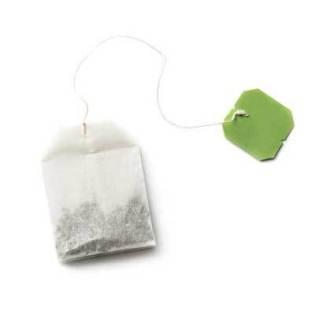
9. Green tea

green tea

Both green and black teas are packed with flavonoids, a type of antioxidant. Where green tea really excels is in its levels of epigallocatechin gallate, or EGCG, another powerful antioxidant. EGCG has been shown to enhance immune function. Green tea is also a good source of the amino acid L-theanine. L-theanine may aid in the production of germ-fighting compounds in your T-cells.

10. Poultry

poultry

When you’re sick, chicken soup is more than just a feel-good food with a placebo effect. It helps improve symptoms of a cold and also helps protect you from getting sick in the first place. Poultry, such as chicken and turkey, is high in vitamin B-6. Vitamin B-6 is an important player in many of the chemical reactions that happen in the body. 

11. Sunflower seeds

sunflower seeds

Sunflower seeds are full of nutrients, including phosphorousmagnesium, and vitamin B-6. They’re also incredibly high in vitamin E, a powerful antioxidant.

12. Shellfish

shelfish

Shellfish isn’t what jumps to mind for many who are trying to boost their immune system, but some types of shellfish are packed with zinc.

Zinc doesn’t get as much attention as many other vitamins and minerals, but our bodies need it so that our immune cells can function as intended.

Varieties of shellfish that are high in zinc include:

  • crab
  • clams
  • lobster
  • mussels


Sources: 

https://www.eatright.org/health/wellness/preventing-illness/support-your-health-with-nutrition
https://www.thedailymeal.com/11-creative-ways-teach-your-kids-about-healthy-eating
https://www.healthline.com/health/food-nutrition/foods-that-boost-the-immune-system#other-options
https://www.health.harvard.edu/staying-healthy/how-to-boost-your-immune-system

Rejoignez-nous à Tessa International School

Découvrez pourquoi notre programme bilingue est reconnu comme l'un des meilleurs. Découvrez comment nous combinons l'excellence académique avec des expériences interactives et stimulantes qui favorisent la conscience mondiale.

Rejoignez-nous à Tessa International School

Découvrez pourquoi notre programme bilingue est reconnu comme l'un des meilleurs. Découvrez comment nous combinons l'excellence académique avec des expériences interactives et stimulantes qui favorisent la conscience mondiale.