On February 1st, 2020 Tessa International School is excited to host its first Chinese New Year festival!
Chinese New Year (春节) is the Chinese festival that celebrates the beginning of a new year on the traditional Chinese calendar. Observances traditionally take place from the evening preceding the first day of the year to the Lantern Festival, held on the 15th day of the year.
Lantern Festival
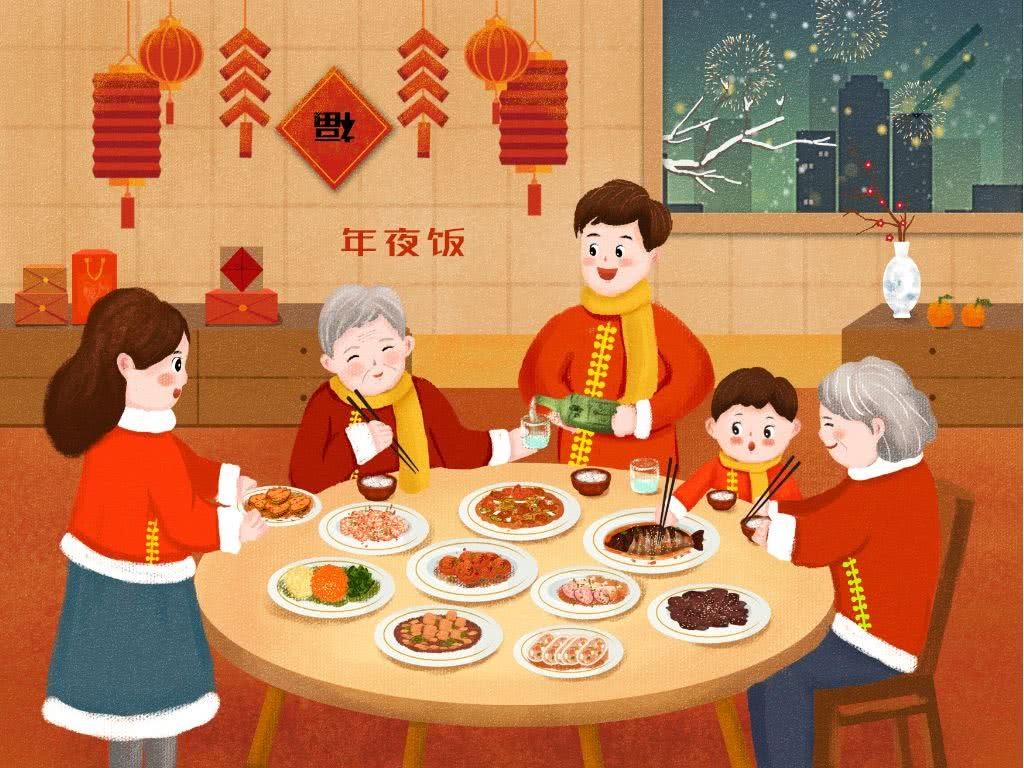
Chinese New Year is associated with several myths and customs. The evening preceding Chinese New Year’s Day is frequently regarded as an occasion for Chinese families to gather for the annual reunion dinner.
Reunion Dinner
For the northern regions of China, dumplings are featured prominently in meals celebrating the festival(Dumpling Making, Blue Classroom).
It is also traditional for every family to thoroughly clean their house, in order to sweep away any ill-fortune and to make way for incoming good luck. The lion dance is believed to bring good luck and fortune to family and business(Lion Dance, Purple Classroom).
Lion Dance
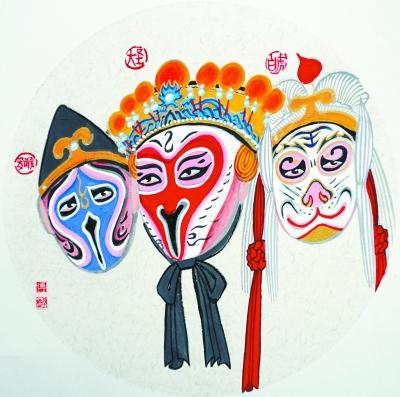
Another custom is watching performances with family members (Chinese Opera Mask Making, Green Classroom).
Chinese Opera
Other activities include lighting firecrackers and giving money in red paper envelopes to young generations (get a red envelope at the end of the activity at Purple Classroom).
During the week, our students prepared decorations for the celebration. You can find some of them below!
https://tessais.org/wp-content/uploads/2020/01/DSC_0061.jpg12001800Team Tessahttps://tessais.org/wp-content/uploads/2025/03/Logo-Tessa-School.pngTeam Tessa2020-01-31 21:27:262024-10-16 21:07:07Tessa's Chinese New Year Celebration
Tessa International School has a great relationship with Prime Taekwondo in the Monroe Center. Besides hosting our indoor Yoga and PSPE classes, as well as indoor play on rainy days, on Tuesdays we have an After-School program for Taekwondo for children who are 4 years old and up with Prime. There, each child is taught with care and patience. The instructors scaffold for each child’s individual level. The program offers children a way to let each child know that he or she is special and he or she can achieve his or her maximum potential. Taekwondo students are more respectful at home and more diligent about doing homework and chores around the house.
Prime Taekwondo proposes different programs such as adult, teen and toddler classes, designed to encourage the development of the child, work on the discipline of the teenagers, relieve stress and tension for adults. Taekwondo is one of the most systematic and scientific Korean traditional martial arts, that teaches more than physical fighting skills. It is a discipline that shows ways of enhancing our spirit and life through training our body and mind. Today, it has become a global sport that has gained an international reputation, and stands among the official games in the Olympics.
They also offer amazing birthday parties and family classes. Your child and up to 15 friends can enjoy a fun party involving Taekwondo training, fun games, physical activities and even board breaking. We encourage you to have a look at their website!
https://tessais.org/wp-content/uploads/2020/01/DSC_0584.jpg12001800Team Tessahttps://tessais.org/wp-content/uploads/2025/03/Logo-Tessa-School.pngTeam Tessa2020-01-24 19:26:382024-05-02 15:23:34Prime Taekwondo, more than an Afterschool!
At the end of the 18-19 school year, the Tessa Administration asked us to direct the 1st ever holiday show and I will admit, we were equal parts excited and nervous. Just like you, we value the quality of education that Tessa provides and the unique community that Tessa has created and we really wanted to honor that in our work with the children. The task of putting together an original show for almost 100 students seemed daunting BUT we were up for the challenge!
We have always loved the portion of the Tessa mission statement that refers to Tessa students as “happy world citizens”. So we brainstormed for several weeks and 2 songs kept coming up for us: “It’s a Small World” and “We are the World”. We went into rehearsals knowing that we would incorporate both songs into our show somehow. In continuing with the world theme, we thought it would be fun and educational to highlight other winter holidays so we researched: Yalda, Pancha Ganapati, Omisoka and the Longest Night of the Year (a Winter Solstice festival celebrated in Ushuaia, the very bottom of Argentina) and worked with the Grade 1 and Kindergarten students to create short scenes to present on each holiday. The PreK 3 and PreK 4 classes were assigned winter or holiday songs to present.
It was important to us that we have at least one group number that included every student but we couldn’t decide on which of our world songs to use, ”It’s a Small World” or “We are the World” so…we combined them to create a finale song as unique as the students singing it! Because music did not exist for this new creation of a song, we took several students to SkyRoom Studios to record a Tessa original track that the entire student body could sing along to during rehearsals and the live show.
After several months rehearsing with the children every Friday, 30 minutes with each class, we began adding costume pieces in around 2 weeks prior to the performance. On December 20th, our group of “happy world citizens” took to the stage to present the culmination of their hard work
https://tessais.org/wp-content/uploads/2020/01/DSC_0814.jpg12001800Tessa International Schoolhttps://tessais.org/wp-content/uploads/2025/03/Logo-Tessa-School.pngTessa International School2020-01-17 21:03:162024-05-02 16:56:32Our Winter Holiday Show
When it comes to language learning, many parents often wonder how they can help their children become more proficient in their comprehension. In many cases, students will often struggle to pick up new language cues and improve fluidity of bilingualism if their studies don’t extend beyond the classroom. In fact, in order to obtain true bilingual capabilities, children require an immense amount of exposure to the languages – exposure that extends well beyond the classroom. So how can you help your child continue bilingual learning at home?
Bilingual Learning at Home
It’s well-known that pediatricians and early education professionals have long supported the relationship between reading and communication with language skills in young children. Parents are encouraged to both read to their children and interact with them directly as much as possible in order to expand their child’s language understanding. The same is true for learning a second language.
The key to expanding a child’s understanding of bilingualism is exposure – lots of exposure – to both the native and second language. Since language learning does not stop once your child leaves their classroom, parents should be continuing the learning at home by incorporating the second language as frequently as possible in the home life. This can be done by reading books, playing games, following recipes native to that language, or even just simply in regular conversations with their children.
Hands-on Learning, Not Screen-Time Learning
It’s important to understand there is a major distinction between direct bilingual exposure at home and that picked up by screen time. While certain online activities can help boost a child’s basic understanding of language, true fluidity is only possible by frequent submersion in the language itself. In other words, talk with your children in meaningful, bilingual conversations, or read to them directly to give them the most proficient means of immersion.
“In order to foster language development, the exposure has to be person-to-person; screen-time doesn’t count for learning language in young children – even one language – though kids can learn content and vocabulary from educational screen-time later on,” explains the NY Times in report of pediatrician recommendations on bilingual language learning at home.
Plenty of Language Exposure and Patience
With language learning, the best thing parents can do for their child’s learning process is to continue the language education at home by increasing their child’s exposure to the linguistics. There are virtually unlimited ways in which parents can do this, as mentioned above, but also, home submersion isn’t the only aspect to keep in mind when helping children grasp bilingualism.
No matter the age, bilingual individuals will always have a tendency to combine, or mix-up, their languages from time to time and children are no exception. Parents need to keep in mind that their child will need plenty of patience during the bilingual learning process, as well as the ability to not get discouraged when languages get mixed. This is normal and all a part of the learning process. In fact, experts say that language “mix-ups” are actually a sign of a deeper understanding of bilingualism and considered a sign that individuals are truly grasping the second language when this happens.
Above all, parents who want to help their child expand their bilingual learning at home need to take an active role in helping them do so. Frequent and fluent language interactions in both languages will help continue the submersion outside of the classroom while patience and encouragement during the learning process will help them gain the confidence they need to continue their learning even further.
https://tessais.org/wp-content/uploads/2019/12/Bilingual-Learning-at-Home-Image-scaled.jpg11031800Tessa International Schoolhttps://tessais.org/wp-content/uploads/2025/03/Logo-Tessa-School.pngTessa International School2020-01-15 06:00:002024-10-16 21:07:26How to Continue Your Child’s Bilingual Learning at Home
At Tessa we celebrated the Galette des Rois on Tuesday, January 7th. Each class shared a cake and the lucky winners became kings and Queens of the day!
Why is it celebrated?
French families conclude the festive season with a rich pastry fit for kings. The Galette des Rois is a cake traditionally shared at Epiphany, on 6 January. The tradition of eating this cake dates back to the 14th century. It commemorates the moment when baby Jesus was presented to the Three Wise Men, Melchior, Caspar and Balthazar in Bethlehem. They arrived from and represent the three continents, Asia, Africa and Europe, to give their gifts.
What is the tradition?
The Galette des Rois isn’t just a cake, it is a ceremonial experience. First, the youngest child (and therefore the most innocent) goes under the table were they direct who should get which slice. If there are no children at the table, the cake is cut by the youngest person in the room. Whoever has the charm, or féve, in their slice, is crowned and chooses his or her king of queen. They both wear a paper crown usually provided with the cake. Careful when bitting into the cake, don’t break a tooth or swallow the féve! The féve is a porcelain or plastic figurine that represented the nativity and characters from the crib. Nowadays, there are a wide range of figurines, such as one of the three kings, Disney characters, animals, fruits, cars or even shoes. Féves are collectors items and their collectors are known as favophiles. In the 14th century they would use a white or black bean to hide in the cake.
Heavy is the head that wears the crown. Well, not to that extent! In some regions, the new crowned king or queen is given a choice between two tasks. They should either offer a beverage to everyone around the table, either sparkling wine or champagne, or volunteer to host the next Galette des Rois at their home. That way the festivities of Galette des Rois can be celebrated through all of January.
Is there only one type of Galette?
Eh, bien, non! The galette des rois taste has been modified in many ways by pastry chefs. For example, La Maison Dalloyau in Paris adds candied orange and Grand Marnier, top patissiers, Pierre Hermé, adds a creamy ganache while Maison Hédiard marries Bourbon Vanilla with the almond cream. Others have used apricots, nuts, spices, figs, honey, raspberry, even rose petals. Thus don’t hesitate to add you own unique touch of your favorite flavors!
Different regions in France have their own traditional kings cake. The northern half of France and Belgium the cake is the one we all know and love with the golden crust and frangipane, an almond filled paste. In the southern half of France, the cake is called a Gâteau des Rois and is a crown-shaped cake or brioche filled with fruit. Both equally delicious! In Switzerland, or Romandy, both types can be found though the latter is more common.
Some historical and contemporary changes:
“In the past, the pastry would be cut into as many portions as there were guests, plus one. The last one, called the “part du pauvre” or poor man’s share, was for the first poor person who stopped by the house.”
“They even played “find the king” at the table of Louis XIV. The ladies of the court who found the fève became queens of France for a day and could ask the king to grant them a wish called “grâces et gentillesse”. But the Sun King, Louis XIV, was to abolish this custom.”
“Interestingly during the French Revolution the name was changed to “Gâteau de l’egalité” because a king was not quite well regarded during this time.”
“Every year, during the traditional reception at the Elysée Palace, an enormous galette (measuring 1.2 m across for 150 people) is made for the President of the French Republic. But the artisan baker and pastry chef responsible for making it is instructed not to put a fève in the cake because “it would not be appropriate to find a king in the presidential palace of the Republic”.”
Hold off on your January dieting and loosen your belts because here are the ingredients of a traditional Galette des Rois:
INGREDIENTS
2 Sheets store-bought puff pastry
¼ cup (60 ml) almond paste
3 tbsp (45g) unsalted butter
3 tbsp (20g) powdered sugar
2 eggs
1 tsp (5ml) almond extract
¼ tsp (1.25ml) salt
2 tbsp (15g) all-purpose flour
1 egg beaten for egg wash
piece of bittersweet chocolate or “féve”
INSTRUCTIONS
Pre-heat oven to 400F (200C).
In the bowl of an electric mixer beat together the almond paste, butter and powdered sugar until well combined. Then add eggs 1 at a time, beating in between each addition. Then add almond extract and salt and beat again. Lastly add flour and beat until combined. Set aside.
Roll out puff pastry sheet onto a floured surface, making sure you have a flat rectangular with no seams remaining if your pastry came scored in any way.
Cut out 2 10” inch circles with a dinner plate. Place one on a parchment-lined cookie sheet and set the other aside resting on a cutting board.
Spread the almond cream on the circle on the cookie sheet leaving a 2” border. Brush border with egg wash, place “feve” or piece of chocolate anywhere in the cream.
Place 2nd circle on top and press together to seal circles together.
Create a decorative scallop along the edge of the circles by placing your two fingers at the top edge of the circle and pulling a butter knife towards you to pull the pastry towards you and create an indentation in the pastry. Continue all the way around the circle until a scalloped edge is formed.
Brush the center part only of the circle with more egg wash.
To firm up pastry before baking, place tray in fridge for 20 mins or the freezer for 10 mins.
Bake at 400F (200C) for 25-30 mins. Serve warm or at room temperature.
Slice into wedges. The guest that receives the slice of the cake with the “féve” or chocolate is King for the day!
NOTES
Be sure your puff pastry is extremely cold before you lace it in the oven. In fact, pop it in the freezer for 10 minutes before baking. This will prevent the pastry from melting too quickly and the filling seeping out. It will also help it puff up as it bakes.
Make sure your pastry mounds are well sealed with the egg wash, otherwise the filling will seep out.
You can make this cake ahead of time and either serve at room temperature or reheat for 10 minutes at 300F (150C)
Here is the recipe in French!
2 pâtes feuilletées
140 g de poudre d’amande
100 g de sucre fin
2 oeufs
75 g de beurre mou
1 jaune d’oeuf
1 fève
Etape 1 Placer une pâte feuilletée dans un moule à tarte, piquer la pâte avec une fourchette.
Etape 2 Dans un saladier, mélanger la poudre d’amandes, le sucre, les 2 oeufs et le beurre mou.
Etape 3 Placer la pâte obtenue dans le moule à tarte et y cacher la fève.
Etape 4 Recouvrir avec la 2ème pâte feuilletée, en collant bien les bords.
Etape 5 Faire des dessins sur le couvercle et badigeonner avec le jaune d’oeuf.
Etape 6 Enfourner pendant 20 à 30 min à 200°C (thermostat 6-7); vérifier régulièrement la cuisson !
https://tessais.org/wp-content/uploads/2020/01/DSC_0908-scaled.jpg12001800Team Tessahttps://tessais.org/wp-content/uploads/2025/03/Logo-Tessa-School.pngTeam Tessa2020-01-07 18:03:502024-05-02 16:51:11Celebrating La Galette des Rois
We are excited to offer a new after school program called Little Gardeners. Little Gardeners spans over the course of January for four fun-filled classes of exploring and creating nature-inspired artwork. Tessa’s young gardeners and artists will learn about the life of a plant and have the unique opportunity to create two ceramic pieces. Here’s what each day will look like:
Week 1: Leaves, Textures, and Clay
Students will use natural objects while learning how to imprint leaves directly onto clay surfaces. The clay slabs that we imprint onto will then become small plates and trays for each student to take home at the end of the program.
Week 2: Pinch Pots
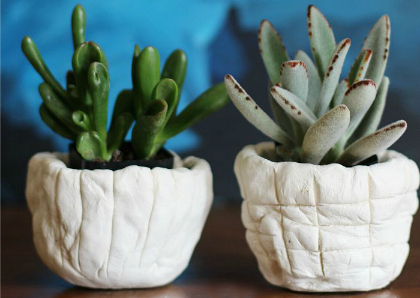
On our second class we will learn a new ceramic technique to make small pots that will later become planters. After the pots have been constructed students can then use different natural materials to create imprints and designs on the clay surface.
Week 3: Adding Color
On our third class we will add some color by painting our ceramic projects from the previous classes. The rest of the class will be spent preparing for what is to come in our final class: growing a plant!
Week 4: Sowing the Seed
On the last day of the program each student will get all of their finished ceramic work and we will plant a seed in the pinch pot. We will then learn about how to take care of the seed and help it grow into a strong and healthy plant. Students can then bring both projects home that day.
What Else You Should Know
The Little Gardeners program is a very unique opportunity for your child to engage in a new artmaking processes and create quality ceramic pieces that will be fired at an off-site ceramic studio. All materials are included in the fee and all pieces created are made with non-toxic glazes and are food safe.
https://tessais.org/wp-content/uploads/2019/12/32451ce0-f2f1-4aae-a698-4811ae5ae404.png298420Tessa International Schoolhttps://tessais.org/wp-content/uploads/2025/03/Logo-Tessa-School.pngTessa International School2019-12-20 19:50:152024-05-02 15:04:21Little Gardeners, a creative after school program
Holidays may bring extended breaks from school, but that doesn’t mean they aren’t a fantastic time to offer your children some unique learning experiences. In fact, the holidays are rich with opportunities for kids to broaden their knowledge on cultural and communicative topics, if parents provide them with the tools to learn. Let’s take a look at some of the fun and innovative ways children can expand their bilingual learning experiences at home during their holiday breaks from school.
Holiday Bilingual Learning Experiences
The fact is, children master the art of becoming bilingual much easier through immersion learning – or being all-encompassed in dual languages both in school and out. It goes without saying then that parents who make a point to incorporate language learning at home give their children a more thorough understanding of second languages and the greatest chance at being truly fluent in both as they grow.
So how do you go about incorporating a second language in learning experiences at home – especially over the holidays or extended times away from school? One of the easiest ways is by adding various cultural experiences to your family holiday repertoire in order to let your child see first-hand how other cultures celebrate the season.
Ways to Incorporate Cultural Learning Over the Holidays
There are virtually unlimited ways in which parents can add cultural learning experiences for their children over the holidays, so it’s really up to you which angle you choose to take. You don’t need to plan a trip to a foreign country in order to give your child a bit of immersion learning over break. There are things as simple as baking cookies from various cultures to acting out traditional activities practiced around the world – all of which will give your child an invaluable cultural experience and a better understanding of how others celebrate during this time.
If your child is enrolled in foreign language learning in school, that is a great place to start when considering cultural holiday learning activities. To expand on their learning, take a look at the traditions and practices of the language they are studying in school and plan some activities at home that will expand their understanding while they’re home on break.
Depending upon the culture, you could add a holiday baking day that allows your children to experience the various sweets enjoyed by their language of study. You could also prepare a holiday dinner together using the traditional foods and preparation of that culture. If food isn’t your thing, try looking into other traditions of the culture such as candle lighting ceremonies, parades, or even things like hiding brooms or placing shoes by a window – each culture has their own celebratory methods that are sure to enhance your child’s learning experience.
Keep the Learning Growing at Home
There are so many festivities and traditions celebrated by different cultures each year during the holiday season. Being on winter break from school doesn’t have to mean a break from learning – bring some culture and immersion learning into your child’s routine by trying new experiences and adventures related to their language learning. Do a little search to find out area festivals or activities you may have nearby or get ideas on how you can add fun learning tricks at home!
https://tessais.org/wp-content/uploads/2019/11/Holiday-Bilingual-Learning-Image.jpg10121800Tessa International Schoolhttps://tessais.org/wp-content/uploads/2025/03/Logo-Tessa-School.pngTessa International School2019-12-15 06:00:212024-05-02 12:17:56Bilingual Learning Experiences for the Holidays
The Hour of Code is a global movement with students participating in 180 different countries. The Hour of Code takes place each year during Computer Science Education Week. The 2019 Computer Science Education Week will be, but you can host an Hour of Code all year-round. The purpose of the ‘hour of code’ is to get students to learn about computer science for one hour. This week Tessa students participated in the “Hour of Code” it was a great time where all our students in each classroom were introduced to this new beginning concept of coding through games, a new “window of learning” in which they can explore (movement, direction, and location) with fun interactive (and hands-on) age appropriate activities. What is coding? Coding (or programming) is the basic language of the digital age. It involves the process of creating step-by-step the instructions a computer understands and needs in order for its programs to work. Coding gives children the ability to understand how to “tinker” and shape their digital world.
Early coding or precoding, offers children experiences that integrate communication, thinking, problem solving and opportunities for interaction and collaborative learning are 21st century skills that are valuable for children’s future and success in our digital world. Also, they are aligned with our school’s mission.
– Communication: through the precoding activities children are involved in directional language, such as up and down, backward and forward, left and right. – Thinking: Coding helps children develop new ways of thinking and takes the fear of making mistakes or failing. – Problem Solving: Students can consider multiple paths to get to a solution and choose the most efficient strategy. It teaches persistency in finding a way to solve your problems. In these activities, planning ahead is the key to success. – Collaborative learning: children understand the value of working with others and the importance to contribute with their thoughts and bring support to others and learn together.
Children became confident with early coding and each classroom used it in different ways to complement other learning opportunities in the preschool classroom. – Coding games through the stories: Teacher used children’s favorite story and read- aloud in the class as the base for coding games. This helps children develop vocabulary and a greater comprehension of texts. – Robot Mouse: The mouse comes with different attachments that move it in different directions. Children can attach the different segments together to create a unique path for the mouse to move and find the cheese. – Unplugged coding activities: Teachers introduced coding without using a computer. They created a fun printable game that used the same concept of directional cards, one per space on the grid, to move the pirate to his treasure; the fish to the lake; the boy to his house and the octopus to his friend the dolphin. – Apps: Children were exposed with a limit of time to “Code Kart” and “Coding Safari” apps.
“Hour of Coding” was a great experience for teachers and students and not only helps improve their mathematics but also gives them valuable skills in life.
Tessa strongly believes that providing an effective after-school program to our students is to give them the chance to develop new skills and confidence. Fortunately, Tessa parents have a wide range of creative activities when it comes to choosing high-quality after-school activities for their children. As of today, more than twelve after-school activities, ranging in age from Pre-K through Grade 8, are available in various areas including language, music, art, theater and sports. Out of all of them, after-school language classes in French, Mandarin and Spanish are the pioneer programs at Tessa. The goal is to give all children a meaningful foundation in the language through games, songs, art and more. This entire program is led by dedicated teachers who understand the necessity to teach from an early age and strive to provide the best education.
Here are some highlights for the January – April term:
Woodworking – Tuesdays, 4:00 – 5:00
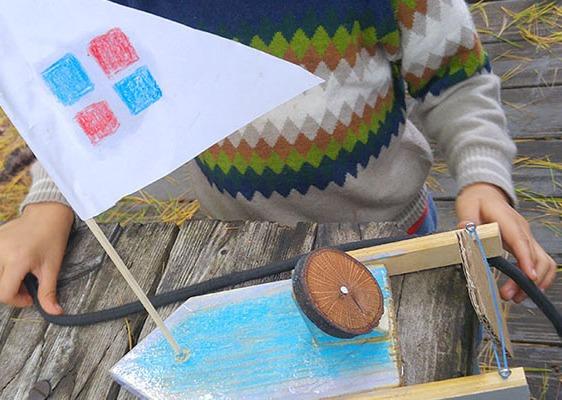
The Woodshop afterschool program will focus on learning the use of manual woodworking tools such as sanding blocks, clamps, hammers, screw drivers, small saws, manual drills to build projects out of wood. Students will plan, measure and build their projects while learning concepts in math, geometry, engineering and physics. Each student will learn the safe use of hand tools, measuring and level aids, woodworking techniques as well as wood protection and the use of natural finishes. Handling real tools increase fine and gross motor skills, hand eye coordination and spacial reasoning.
This year we will concentrate on a curriculum of engineering projects such as pulleys, levers, cranes, wheels and axles and other projects with moving functional parts. Students will build each project during a course of a few weeks and take them home when finished. Each semester students will bring home 4 to 5 finished projects.
Little Gardeners and Artists – Wednesdays, 3:30 – 4:30 pm – January only
Join us for 4 fun weeks of STEAM activities where we will learn about the life of a plant while using our creativity to make nature-inspired artwork. Activities involve artwork with leaf impressions and making our own ceramic pinch pots that we will grow our own plants from. Fee includes materials and firings.
TessaPrep – Russian – Thursdays (registration will be available soon)
If you have already enrolled your child in Tessa after-school program then you made the right decision, if not we are waiting for you! Enroll now.
What Are the Origins of After-School?
To understand where the after-school program comes from, it is necessary to go back to several social and economic events throughout history. First of all, the presence of more and more women in the workforce, especially during the World War II had a considerable impact. Indeed, as women became the main source of labor, they had no other choice than leaving their children unsupervised after school hours. Then when the child labor law was enacted, forbiting child hiring for all factories, children got more free time without parents. With the economic development of the United States, more and more urban areas were built, so children had to play often out in the streets which led to health and safety concerns. Therefore, after-school programs were presented as a way to minimize exposure to such negatives influences and start receiving many sources of funding. Nowadays, after-school program has evolved and is no more a matter of safety but a booster of academic performance for the children of working parents.
Today more than 10 million children in the US so nearly 1 in 4 families currently has a child enrolled in an after-school program.
The Benefits of After-School Programs
Parents across the United States agree: after-school programs are vital to a child’s success.
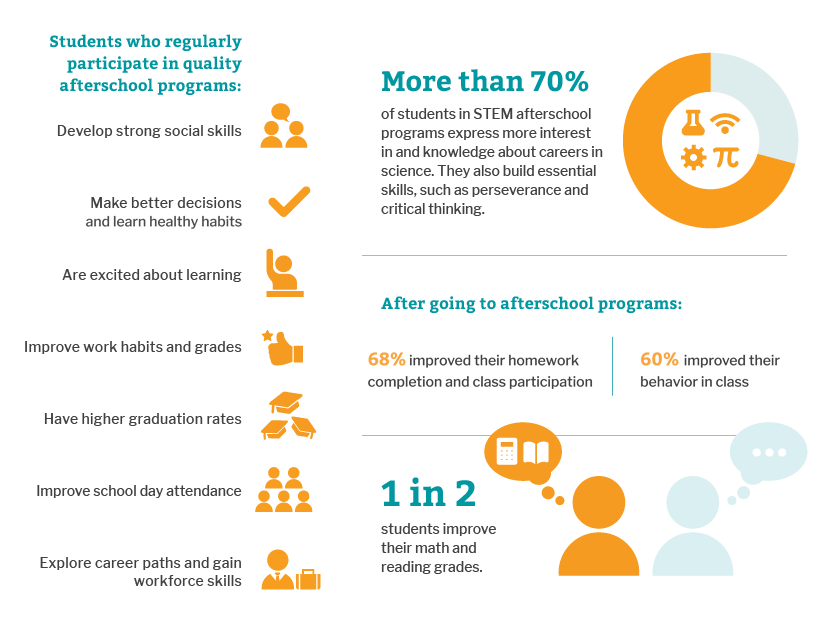
Effective after-school programs can bring a wide range of benefits to youth, families and communities. They can boost academic performance, reduce risky behaviors, promote physical health, and provide a safe, structured environment for the children of working parents.
Thanks to these programs, children can develop strong social skills, they get the chance to know different kids than those they see at school so the program can give them a chance to connect with familiar kids in a different environment and so avoid social issues.
These programs can also improve classroom behavior, school attendance, and can lead to higher graduation rates thanks to teamwork, leadership and critical thinking skills learned during the program.
After-school programs can also play an important role in encouraging physical activity and good dietary habits. After-school sports will additionally help your kid to develop their competitive spirit as well as their focus, stress management, and mindfulness.
Source of infographie : https://afterschoolforamerica.org/
https://tessais.org/wp-content/uploads/2019/12/DSC_0138.png600900Team Tessahttps://tessais.org/wp-content/uploads/2025/03/Logo-Tessa-School.pngTeam Tessa2019-12-06 19:31:182024-05-02 16:56:16Lights on Our After-School Program
One of the key staples of childhood learning and play is acting out different scenarios through a variety of means. We’re talking, of course, about role-playing activities. These activities usually involve your child imagining themselves in various situations in which they play out pretend dialogues either on their own or with others. Some common role-playing scenarios can include pretending to be a mom or dad to “play house,” super hero or emergency personnel play (think police officers versus “bad guys” or firemen saving a home), and even situations like pretending to be a teacher or grocery store clerk.
Witnessing these instances, many parents assume their child is simply participating in imagination play and don’t give much stock to its importance. The truth is, however, these role-playing scenarios are an immensely important part of a child’s learning process and can be a fantastic teaching tool for parents and educational professionals looking for ways to bring about a deep understanding about different concepts and lessons. The benefits of role play learning are an invaluable part of the learning process that stay with children throughout their lives.
“Role play moves a step beyond the dialogue and places students in a situation in which they are called upon to cope with the unexpected or with a new setting using the material they have learned through dialogs and other classroom activities,” explains South Carolina’s Department of Education.
Role-Playing 101
Role-playing is a multi-faceted teaching and playing activity that allows children to grow and learn through imaginative scenarios. Since these activities place children in interactive situations requiring them to work out solutions and reactions on their own in order to play out the role, this type of play often brings about a deeper understanding on topic of play. Essentially, role-playing combines teaching techniques which allows children to grasp a concept much more thoroughly than traditional teaching means.
It’s no surprise that children learn from experience, no matter their age, so by allowing them to act out various experiences on their own, we’re essentially arming them with unlimited learning opportunities. Since the sky’s the limit with role play, there are an infinite number of potential teaching and learning experiences for children every single day if we know how to harness and encourage the techniques.
Including role-playing activities in a classroom daily – whether structured or unstructured – will only serve to boost the learning potential of students by getting them to actively participate in their education without even realizing it. In fact, the skills that children pick up from these role-playing scenarios are invaluable tools that will stick with them throughout their lives, arming them with the tools they’ll need to work through practically every situation they face in their adult lives years later. Role-playing is so much more than simply pretending to be another person; it gives children the chance to try on new roles and work their way through different challenges.
The Benefits of Role Play Learning
When children put on different costumes and act out scenes during play time, they’re doing so much more than simply playing dress-up. Role-playing allows kids to try on different hats – both figuratively and literally – and imagine what it’s like to be in that role. This is a key teaching tool because it puts children in the driver’s seat of learning by cognitively processing what they believe would happen in each situation. To put it simply, role play allows children to gain a better understanding of any given scenario because it gives them the opportunity to see things from a new perspective and to use their minds to work through them.
This opportunity is one that is brimming with new connections and gaining a deeper knowledge of those around them. Some of the greatest benefits of role-playing are centered around the social and emotional growth that stems from the empathy children gain by putting themselves in someone else’s shoes and learning to cope with different struggles and obstacles that arise in that experience. This kind of play allows children to explore different sides of real-life situations, which in turn gives them a greater knowledge on how their actions affect others around them. Some of the most important benefits gained by role-playing include:
Developing empathy towards others by experiencing new perspectives
Increased problem-solving skills
Improved self-expression through communication
Learning to work better with others
Gaining better social and emotional skills
Invaluable Experiences with Role-Playing
Since role-playing experiences feel more like playing than a more rigid lesson plan session, children tend to gravitate toward these activities without even realizing they are learning in the process. This is a part of what makes role-playing so invaluable. Another part of its interactive genius is that it allows children to gain a better perspective on who they are and who they may want to be when they are adults. Role-playing is often the best way for children to discover what they truly enjoy and to explore different avenues of interest in a way that lets them try out new roles.
Something as simple as putting on a police hat or a white lab coat can allow children to experiment with various careers and areas of interest. By pretending to be a police officer, children can use their imaginations to harness a desire to help others or be the protector. Putting on a stethoscope and grabbing a toy medical bag can allow children the opportunity to explore what it’s like to take care of those around them. Virtually every scenario is ripe with the chance for children to see what kind of interactions they are drawn to the most – something which will come into play quite a bit in the years to come.
While trying on various outfits and acting out different careers and roles can help children develop crucial social and emotional skills as well as allowing them to gain a better understanding of their own interests, the most important part of role play learning is something much simpler. By giving them the opportunity to act out a variety of situations, role-playing teaches children they can be anything they choose. It allows them to envision themselves in a multitude of situations, giving them the confidence and foundation for realizing their true potential in the coming years.
Are you ready to discover Hoboken’s leading international private school?
https://tessais.org/wp-content/uploads/2019/11/Role-Playing-101-Image.jpg12001800Tessa International Schoolhttps://tessais.org/wp-content/uploads/2025/03/Logo-Tessa-School.pngTessa International School2019-12-01 06:00:542025-04-02 14:16:08Role-Playing 101: Why Children Learn Faster with Interactive Activities
Rejoignez-nous à Tessa International School
Découvrez pourquoi notre programme bilingue est reconnu comme l'un des meilleurs. Découvrez comment nous combinons l'excellence académique avec des expériences interactives et stimulantes qui favorisent la conscience mondiale.
Découvrez pourquoi notre programme bilingue est reconnu comme l'un des meilleurs. Découvrez comment nous combinons l'excellence académique avec des expériences interactives et stimulantes qui favorisent la conscience mondiale.