James Asher, an American professor, developed a language teaching approach known as Total Physical Response (TPR) in the 1960s. This method suggests that memory improves when linked with physical movements.
TPR-based activities help children learn language through movements. These activities complement the classroom curriculum, and are both engaging and enjoyable.
We may not always think of TPR, but many games have TPR principles built in, like “Simon Says” or “Head, Shoulders, Knees, and Toes”. For example, TPR can be applied in learning Mandarin:
TPR enhances both short-term and long-term memory. When we learn to ride a bike, we always remember how, regardless of the years that have passed. We might need a quick refresher, but the skills remain.
TPR offers several benefits, such as helping learners understand target languages and supporting long-term retention in a stress-free way. This method can teach vocabulary related to actions, classroom directions, and storytelling. Teachers plan lessons with TPR to encourage engagement and improve listening fluency. Once learners have enough listening fluency, they start speaking the target language. Below is an example of TPR in the classroom.
https://tessais.org/wp-content/uploads/2025/03/Logo-Tessa-School.png00rubenhttps://tessais.org/wp-content/uploads/2025/03/Logo-Tessa-School.pngruben2016-11-02 19:40:332024-05-02 14:48:09It’s all in the way we learn…Total Physical Response (TPR)
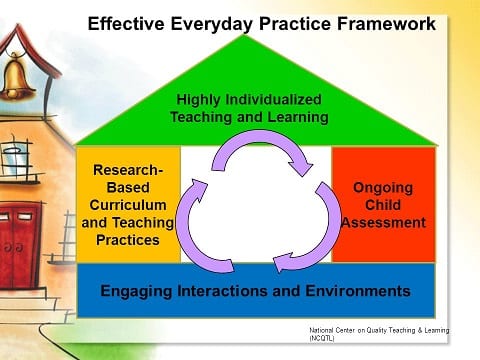
Individual learning is closely related to differentiated instruction. While differentiated instruction focuses on flexible grouping of children, individualized instruction emphasizes the needs of each child. Good classrooms balance both differentiated methods and individualized learning to create an engaging and stimulating learning environment.
Why is individualized instruction important?
Meeting the varied needs of children can be a daunting task for educators. It takes more planning and assessment of student progress, but the benefits far outweigh the cons. Individualized instruction prepares children to become active and effective learners, developing the skills needed to be lifelong learners in an ever-evolving world. With the varied aptitude levels of children, individualized instruction uses their differences to increase morale, retain information, and enhance engagement in learning.
Starting the Process?
There are five essential steps to creating a successful individual learning classroom:
Setting goals that are dynamic and reviewed regularly
Letting students own their progress
Active Parent Involvement
What are some methods to individualize learning?
Teachers plan carefully and collaboratively to ensure they use meaningful data to gain insights on how individual children progress toward a goal. Shifting away from lengthy whole-group lessons to more play-based centers and inquiry-based projects allows for strategic use of current technological resources. Teachers design engaging lessons that tap into the natural curiosity of each child.
Providing opportunities for children to approach their learning in various ways offers more chances to retain information, improving morale and excitement for learning.
What are the benefits of individual learning?
Individualized learning allows students to learn at their own pace with teacher direction. They still work towards rigorous and challenging learning outcomes, but they are provided with a variety of ways to demonstrate their learning that lead to positive outcomes.
https://tessais.org/wp-content/uploads/2025/03/Logo-Tessa-School.png00rubenhttps://tessais.org/wp-content/uploads/2025/03/Logo-Tessa-School.pngruben2016-10-12 18:52:062024-05-02 17:12:18Focusing on individual learning needs improves learning outcomes
Social Emotional Learning (SEL) is a very important piece of a child’s education and directly impacts their success in learning. CASL has identified five essential skills linked with Social Emotional Learning. Using these skills Tessa International School has selected a program that helps to promote a balance of high academic achievement and strong social emotional skills.
Process? The first step is to help children recognize their own emotions and thoughts. Next, we focus on self-management skills so children learn to regulate their emotions, thoughts, and behaviors in different situations. The third step is to help children develop empathy and understanding that others perspectives may not be the same as theirs. Fourth, we focus on maintaining positive relationships with others. Important elements in the fourth step include active listening, communicating clearly and appropriately, and cooperating with others. The final step is preparing children to be responsible decision makers. The will learn to make thoughtful choices that promote positive social interactions, evaluate the consequences of actions, and be empathetic of the well-being of others.
Why is this important? A good Social Emotional Learning (SEL) program not only increases children’s prosocial behaviors such as demonstrating kindness, sharing and empathy, but it also has strong links to increased achievement in school.
How do we do it? The first step is identifying a research-based method that has authentic data that proves it has an impact on both the social and academic growth in children. After selecting the program classroom teachers are carefully trained to synchronize their classrooms and the system becomes not only a school-wide effort, but it extends to the family and community. This way expectations can be taught and modeled in and out of school allowing children to practice and refine their skills in a variety of environments.
Social Emotional Learning (SEL) is taught through clear lessons and integrating the lessons in content areas such as math or language so children are provided opportunities to practice in real situations. Teachers are provided the necessary resources and training to develop positive relationships between children and their peers and with children and adults.
The method of teaching and reinforcing Social Emotional Learning skills can be done in numerous ways. Children can be asked to demonstrate their learning through role-play or other activities. We believe in the importance of scaffolding which means taking progressive steps to build upon what children already know (their schema). This means learning the key vocabulary of emotions and learning new skills. Another useful way is through books read to children and have them make connections with the feelings of characters to themselves. Through clear modeling and expectations children will be provided the tools in how best to express their emotions. This can be accomplished again through role-play activities. It’s extremely important that the expression of feelings and emotions in children are validated and children are encouraged to express their feelings. Reflection is a key aspect of a good Social Emotional Learning program. Young children must be guided towards reflecting about actions and events that happen in their lives. They can be asked questions such as “Why did Mary cry when Tommy took her toy?” Tessa International School believes that in preparing children to become world citizens, prepared to embark on their learning journey that will possibly take them across the world, it must have clear policies and procedures to ensure children receive the very best.
Best Plan? There are numerous programs, but which is the best. The answer can be quite subjective and biased depending upon who you ask and which programs they have tried. We at Tessa International School have worked extensively weighing the benefits and drawbacks of each program. We have looked carefully at the research data of the various programs and have found a system which we strongly believe will help children develop the skills necessary to become truly internationally-minded world citizens.
At Tessa International School, we make it our mission to prepare our students to be leaders of the 21st century and happy world citizens. During the summer months, traveling with your children can be a great way to introduce them to the diversity beyond our borders.
Traveling with your children can be a fun and very educational way to broaden their mindsets. When you travel with your children, you are allowing them to observe and experience new places, languages, foods, and cultures first-hand. At Tessa International School, we strongly believe in preparing our children to embrace the world with enthusiasm, confidence, and the strong will to make a difference. Traveling is one of the key ways to help develop their open-mindedness, curiosity, flexibility, independence and many other skills at an early age that are necessary for them to succeed in our highly interconnected and globalized world. Raising global children means sending them off into the world better prepared to tackle the issues of the 21st century.
Here are our top five reasons to travel with your kids:
It is a great way to spend valuable time together as a family. There is no better way to show your child that you care than to spend time together. Travelling will certainly leave you with some remarkable photos and unforgettable memories!
It broadens your child’s mindset and perspective of the world. It is amazing how quickly children catch on to subtle differences in their environment. Travelling presents a wonderful opportunity to spark their curiosity and imagination.
Travel allows your child to develop their self-esteem, confidence and independence. Exposing your children to new and different cultures will undoubtedly teach them new things. It will also a great way to strengthen their character and discover who they are and where they come from.
It teaches them to embrace diversity. Meeting new people, listening to foreign languages, and trying new foods are all great experiences that showcase the differences in our cultures. Celebrate the diversity!
Before you know it, your child will become a seasoned traveler. You may be hesitant to take your little one along for the vacation, however, it is an excellent way to set expectations and let them grow accustomed to what is expected of them on travel days.
It’s never too early to start exploring the world with your little one. Visit our website to learn more about our world class curriculum and language immersion programs in either French or Spanish. At Tessa, we understand the importance of preparing our children to take on whatever challenges life throws at them and embrace global opportunities with enthusiasm and confidence. RSVP to join us at our next information session or call us to schedule an appointment at (201) 755-5585.
Safe travels and we look forward to meeting you and your family soon!
Discover why our bilingual curriculum is recognized as one of the best. Learn how we combine academic excellence with engaging, interactive experiences that foster global awareness.
Discover why our bilingual curriculum is recognized as one of the best. Learn how we combine academic excellence with engaging, interactive experiences that foster global awareness.