
Lunar New Year 2026: A Family Guide to Cultural Learning
Lunar New Year is one of the most celebrated cultural festivals across Asia and beyond. Observed for centuries, it marks the end of winter and brings families together to welcome a new year filled with luck, prosperity, and happiness. Beyond celebration, it offers an opportunity for cultural learning and reflection, making it a rich educational experience for children of all ages. Keep reading to learn more about Lunar New Year 2026 and child-friendly ways to enjoy the holiday!

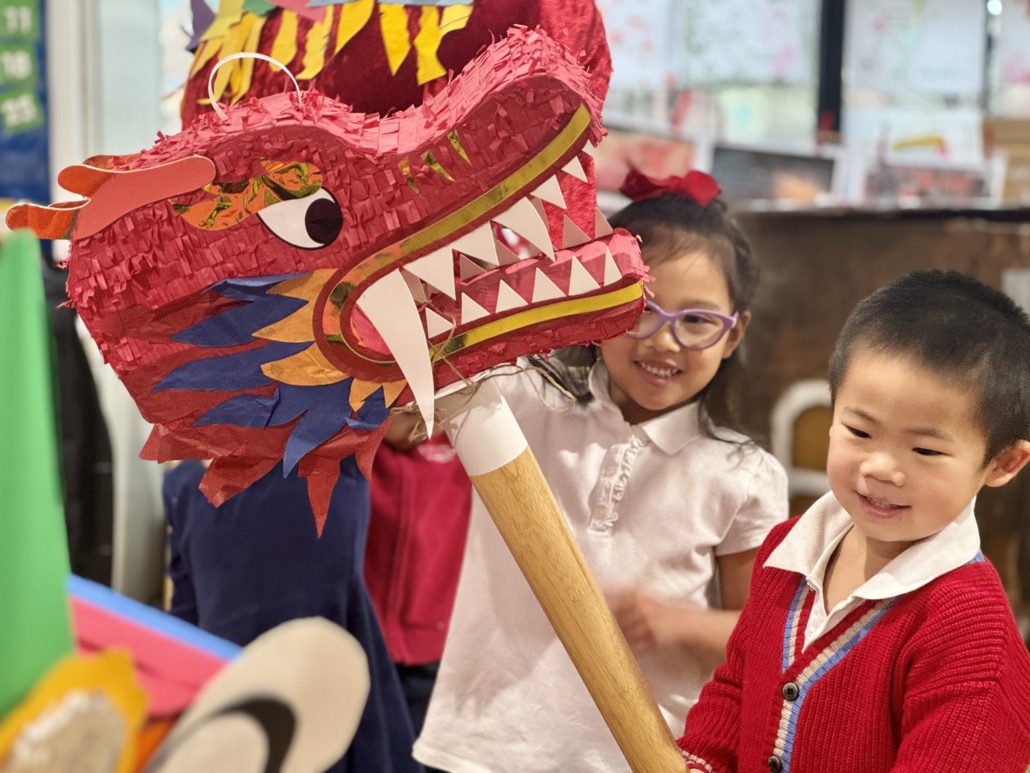
Celebrating Lunar New Year invites children to appreciate different cultures.
Who Celebrate Lunar New Year
Lunar New Year is the most important holiday in China and is also widely celebrated in many other Asian countries, including Vietnam, Korea, Singapore, and Malaysia, with each region showcasing unique cultural traditions:
- In China, it is known as 春节, or Spring Festival;
- In Vietnam, it is known as Tết Nguyên Đán;
- In Korea, it is known as Seollal.
While the holiday is deeply rooted in East and Southeast Asian cultures, millions of people of Asian heritage around the world also celebrate it. The festival is both a family-centered holiday and a broader cultural celebration.
When is Lunar New Year
In 2026, Lunar New Year falls on February 17th. In China, the holiday continues for 15 days, concluding with the Lantern Festival (元宵节).
Although commonly referred to as “Lunar New Year,” the festival is based on the traditional Chinese Lunisolar Calendar, which tracks both moon phases and the sun’s position to determine months and seasons. This is why the holiday does not have a fixed date but typically falls between late January and mid-February on the Gregorian calendar.
What is Chinese Zodiac
2026 is the Year of the Horse, specifically the Fire Horse (丙午) according to the historic Chinese sexagenary cycle system (天干地支), symbolizing breakthrough energy and rapid progress.
The Chinese zodiac (生肖) is a 12-year cycle, with each year associated with a different animal: Rat, Ox, Tiger, Rabbit, Dragon, Snake, Horse, Goat, Monkey, Rooster, Dog, and Pig. Each animal carries symbolic meanings and personality traits that are believed to influence the people born under that sign.
How to Celebrate Lunar New Year
Lunar New Year is celebrated through a variety of traditions across regions and cultures. Despite these differences, the holiday emphasizes family reunions and community engagement. Here are some festive activities parents and guardians can easily introduce to children:
Find out the Chinese zodiac animals for your family.
Exploring each family member’s zodiac animal opens fun communications about personal traits, storytelling, and family bonding. For older children, parents can discuss the beliefs and histories behind the zodiac, turning it into an intellectually meaningful activity.
Spend time with family and friends.
Reunion dinners (年夜饭) are a central tradition during the festival. Family gatherings reinforce the value of connection and shared experiences while developing children’s social-emotional skills.
Try special cultural dishes and snacks.
There are healthier, child-friendly options for the Lunar New Year, including jiaozi (dumplings), gỏi cuốn (fresh spring rolls), and japchae (stir-fried vegetables and noodles). Inviting children to taste and discuss these foods encourages openness to new flavors and experiences.
Decorate the home with red.
Red is traditionally associated with good fortune and protection from negative spirits in Chinese culture. Creating decorations together, such as paper-cuts or lanterns, allows children to engage with cultural symbolism while practicing creativity and fine motor skills.
Join local celebration events.
Community events offer children immersive experiences filled with music, performances, and festive energy. For example, families in Hoboken or the New York area can take a look at these events to help children experience the atmosphere and traditions of Lunar New Year beyond the home.
Lunar New Year Celebrations at Tessa International School
On Saturday, February 7, 2026, join Tessa for a festive morning full of fun, culture, and community from 9:30 AM to 11:30 AM!
Mandarin is one of our three bilingual language tracks for children ages 2–10. At Tessa, we not only teach the language but also emphasize cultural understanding.
During the celebration, children of all ages can enjoy a variety of engaging activities, including Lion Dance, sugar painting, Chinese calligraphy, traditional crafts, and more! Parents will also have the opportunity to meet our Mandarin teachers, learn about our school programs, and discover Tessa Summer Camp 2026.
Space is limited. Sign up today!

Celebrate the Year of the Horse with our Tessa Community!
Celebrating Lunar New Year offers children an inspiring way to learn about culture, history, and values while spending time with family. At Tessa International School, we highlight cultural celebrations as a key part of our school life to develop a global mindset. Our children not only gain a deeper appreciation for their own heritage, but also learn to respect and embrace the diversity of the world, preparing them to become thoughtful, globally-minded citizens.
Are you ready to explore the only international leading private school in Hoboken?
Contact Tessa International School to learn more!


