A student in the international baccalaureate at TESSA working at a table

What Is the IB Primary Years Programme?

If you’re exploring educational options for your child, you’ve likely heard of the international baccalaureate. What Is the IB Primary Years Programme? Rooted in the belief that education should go beyond the confines of traditional classroom learning, an IB education aims to nurture well-rounded leaders equipped with the skills, knowledge, and mindset to thrive in an interconnected world. Today, we’ll explore the philosophy at the heart of the IB Primary Years Programme, its benefits, and why you should choose the program at Tessa International School.

What Is the IB Primary Years Programme?

What does the international baccalaureate mean? The International Baccalaureate (IB) is an internationally recognized educational program that provides a comprehensive and holistic approach to learning. Specifically, the IB Primary Years Programme is a transdisciplinary, inquiry-based, and learner-centered educational framework. The curriculum is meant to be engaging, significant, challenging, and tailored to suit the individual learning levels and developmental needs of students.

A student in the international baccalaureate program waving two flags

The international baccalaureate program at Tessa is an intellectually enriching environment.

With a focus on international-mindedness, the IB organization encourages students to appreciate different cultures, follow their natural curiosity, and develop a sense of social responsibility – all values we cherish at Tessa International School.

The IB Primary Years Programme offers a challenging and rigorous curriculum based on constructivist and social-constructivist learning theories. Under the constructivism learning theory,  students construct a knowledge of themselves and their community. The PYP curriculum emphasizes collaborative inquiry, agency, voice, and the student’s involvement in their learning. Students are encouraged to engage their sense of personal agency and self-efficacy to take positive action within the school environment and throughout their lives.

Graduates of the IB Primary Years Programme are poised to move on to the next level of their IB education. Ultimately, they will lead fulfilling lives and positively contribute to the global community. Now that you know the initial question: what is the IB primary years programme? It’s time to explore the benefits waiting in store.

Benefits of the IB Diploma Program

So, what benefits can you expect for your child? Here at Tessa, we understand the advantages of introducing children to IB teachings early on. Academic advantages include:

  • Global Recognition: The international baccalaureate program is recognized and respected worldwide, opening doors to higher education institutions and career opportunities globally. Universities often value IB graduates for their well-rounded skill set and commitment to community service.
  • Critical Thinking Skills: The program’s emphasis on agency, self-directed learning, collective inquiry, and curiosity equips students with skills beyond memorization. These skills are essential for success in any educational endeavor and the professional world.
  • Producing Well-Rounded, Confident  Leaders: By incorporating agency, student-centered learning, IB PYP students develop a strong self-concept and awareness of their community. As a result, they become academically capable, socially responsible, culturally aware, and ready to lead.
A student in the international baccalaureate program working with a teacher at a desk

The international baccalaureate program at Tessa offers students a solid foundation for success.

Why Choose the IB Primary Years Programme at Tessa?

At Tessa International School, we are committed to providing an exceptional IB education through our accredited Primary Years Programme. Our dedicated and highly qualified faculty are passionate about fostering a love of learning and guiding students through the intellectual challenges of this rigorous program. Their expertise ensures that students receive the support they need to excel in their studies.

Many opportunities for our students to participate in skill-based extracurricular activities allow them to fulfill the requirements of the curriculum while exploring their passions and interests. The IB Diploma Program at Tessa International School empowers young leaders by fostering critical thinking, global awareness, and social responsibility. The earlier students are introduced to these benefits, the better. Start exploring a bright educational future for your child now!

FAQs

Q: What does the international baccalaureate mean? 

A: The International Baccalaureate (IB) is an internationally recognized educational program that provides a comprehensive and holistic approach to learning.

Q: What does having an IB diploma do?

A: The international baccalaureate offers students a broader range of benefits and opportunities, such as Global Recognition and various skills.


Are you ready to explore Hoboken private schools?

Contact Tessa International School to learn more!

A class of primary students at Tessa International School holding up a poster of the earth written in Spanish.

4 Benefits of an International Education: A World of Opportunity

In an increasingly interconnected world, providing your child with an international education is a vital investment in their future. Beyond the traditional classroom setting, international education offers many advantages beyond academic achievement. At Tessa International School, our students benefit from four key aspects of international schooling that contribute to the holistic development of young minds. They carry these benefits well into their adulthood. Keep reading to discover them!

1. Cultural Competence Is One of the Benefits of International Education

What are the most important benefits of having international students in a school? One of the most significant advantages of an international education is the cultivation of cultural competence. Exposing young children to diverse cultures from an early age fosters an understanding and appreciation for global perspectives.

Through interaction with peers from various backgrounds, children learn to navigate and embrace differences, developing a sense of open-mindedness and empathy. This cultural competence becomes a lifelong asset, preparing them to thrive in an interconnected world where collaboration and understanding across borders are essential.

2. Students at Tessa Benefit From Improved Language Proficiency 

An international education involves exposure to multiple languages. Little minds are like sponges, absorbing linguistic nuances with ease. At Tessa, we take advantage of this optimal window of opportunity by providing a multilingual environment where our students soak up Spanish, French, and Mandarin lessons.

A class of Tessa International School primary students presenting a concert on multiculturalism.

Multilingualism is a benefit of international school that improves development.

Multilingualism enhances cognitive abilities and provides a solid foundation for future language acquisition. Proficiency in multiple languages facilitates effective communication and opens up opportunities in an increasingly globalized job market. Moreover, it fosters a deep appreciation for language as a tool for connecting with others and understanding different cultures. Multilingualism is one of the most unifying benefits of international education.

3. Students Develop a Global Perspective and Strong Critical Thinking Skills

International education fosters a global perspective, encouraging little ones to think beyond geographical boundaries. Exposure to diverse curricula (we offer international baccalaureate and kindergarten programs accredited by the French Ministry of Education) and teaching methods challenges children to think critically, analyze situations from multiple angles, and develop problem-solving skills.

This broader worldview is a unique benefit of international education that equips children to navigate the complexities of our interconnected world. These critical thinking skills are invaluable, empowering young learners to approach challenges with creativity and adaptability, which are essential for success in a rapidly evolving global landscape.

Two young Tessa International school students in class raising their hands.

Students at our international school develop cognitive solid and learning abilities.

4. Network Building and Future Opportunities

The friendships and connections formed during an international education can last a lifetime and extend across the globe. Building a network of friends from different countries provides a unique support system and rich cultural insights. As our friends at Tessa grow into adults, these global connections can open doors to exciting opportunities in various fields. Navigating diverse social and professional environments becomes a distinct advantage, setting the stage for a bright future.

Why is international school important for students? In an increasingly interconnected world, providing your child with an international education is a smart investment in their future. What is the impact of international education? This educational approach equips students with the necessary tools by fostering cultural competence, language proficiency, global perspective, and network building. As we look ahead, providing our children with an international education is a commitment to preparing our little ones for the challenges and opportunities of a world without borders.

Are you ready to enroll your child in our international school?

Contact Tessa to learn more!

A class of students learning an international school curriculum posing together in a circle on a map carpet in a classroom.

What Is an International School and Why Should You Consider One?

As a parent of a school-going child, you may wonder how you can provide an education that prepares them for our rapidly changing world. International schools offer children a range of unique benefits and competencies that they will continue to use throughout their education and far into the future.

At Tessa, we’re proud of the diversity within our community, and we understand that a quality international education offers so much more than language instruction. Keep reading for a comprehensive introduction to international schools, the special features they offer, and why you should consider enrolling your child. 

What Is an International School?

According to a report by ISC Research, the popularity of international schools has grown significantly in the past ten years. As of 2022, we’ve seen an astounding 60% increase in the number of international schools across the globe. Why is this? Since most parents today are involved in a global workforce, they are aware of the benefits an international education offers as the world grows more connected each day.

Forward-thinking parents seek an education for their children that provides the skills and attitudes necessary for navigating an increasingly connected society. That’s where international schools come in. What is an international school

International schools provide globalized education to students, often introducing them to different languages and cultures. Typically located in diverse, metropolitan areas, international schools are particularly appealing to expat families who may be seeking a familiar learning environment for their children. Of course, the benefits of international schooling apply to every child, no matter their background. What unique features do they offer?

A line of students learning an international school curriculum dressed in cultural attire speaking to each other at a cultural event.

An international school curriculum is transferable and diverse.

Special Features of International School

When you enroll your child in an international school, you can expect an enriched educational experience that provides the following special features: 

  • Transferable Curriculum: International schools often follow curriculums like the International Baccalaureate, which is the same all over the world. As a result, children who transfer from one international school to another can adjust seamlessly on an academic level. Tessa is proudly recognized as an IB school offering the Primary Years Program (PYP). Academic programs are certainly major factors to consider when choosing an international school
  • Familiar Learning Environment For Expat Students: Intentional schools can provide much-needed familiarity to expat students. For example, Tessa is accredited by the French Ministry of Education, providing a learning experience that our French expat families are acquainted with. As many students and their families are experiencing a new culture, international schools support the needs of the multicultural experience.
  • An Introduction To Global Citizenship: Global citizenship refers to a valuable quality that an individual possesses. It’s an understanding and respect for the world’s interconnectedness and diversity. A global citizen is aware of the world around them and takes meaningful action. These individuals display qualities that employers all over the world are seeking. At Tessa, students are immersed in a wide variety of cultures and are taught to appreciate the differences among them. 

Why You Should Consider International School

There are so many reasons to consider international school for your child. At Tessa, we provide Spanish, French, and Mandarin bilingual tracks in addition to lessons in English. However, the learning experience at Tessa goes beyond language proficiency. Our lifelong learning model sets the foundation for positive development and endows our students with skills that will continue to serve them throughout life.

A class of students learning an international school curriculum presenting an internationally-themed play in front of spectators.

Our international school curriculum prepares students to thrive.

Isabelle’s dad said of her experience with us: “It’s not just bilingualism. Tessa helped my daughter speak complete sentences in Spanish (which is amazing!), but every day, there’s something new and enriching: from the cultural speakers to Liberty Science Center visitors and music classes – it’s great knowing that your child is at an elite school that’s really pulling out all the stops to help them develop.” 

Are you curious about our international school curriculum

Contact Tessa for more information!

Beyond the Classroom: Tessa International School’s Advisory Board Shaping Educational Success

At Tessa International School, our commitment to excellence extends beyond the classroom, and a crucial pillar supporting this commitment is our esteemed Advisory Board. Comprising dedicated individuals who generously volunteer their time, the board plays a pivotal role in upholding the school’s mission, and strategically steering Tessa towards a future of continued success.


Mission:

The heartbeat of the Advisory Board is its commitment to safeguarding Tessa International School’s mission. This dedicated group of individuals actively engages in formal strategic planning, oversees day-to-day operations, and serves as stewards of the school’s invaluable resources, ensuring the school’s financial health and sustainability.


Working collaboratively with the Head of School and Founder, the board focuses on long-range and strategic issues, embodying the highest ethical standards and principles of fiscal integrity. This commitment requires a significant investment in time, dedication to the school’s welfare, and a readiness to navigate challenges.


Organization:

Meeting three times a year, the Advisory Board is a lean yet impactful group, comprising a minimum of six members. The Head of School and Founder foster collaboration between the board and the school’s leadership. 


Meet Our Board Members:

Tessa International School’s Advisory Board is comprised of distinguished figures from the highest echelons of the New York City and national education sphere, bringing a wealth of expertise and insight to guide the school’s strategic vision and uphold its commitment to excellence.


  • Jan Abernathy – Chief Communications Officer at The Browning School

Jan brings extensive experience in communications and DEI counsel for educational institutions. Her leadership in various independent school conferences and organizations reflects a commitment to fostering representation and professional growth.


  • Amada Torres – Vice President of Studies, Insights, and Research at NAIS

Amada’s role as Vice President at NAIS highlights her expertise in national studies, financial sustainability, admissions, and marketing. Her international experience adds a valuable perspective to the board’s discussions.


  • Kate Turley – Educator and Educational Administrator

With four decades of experience in education, Kate’s leadership in progressive education and her roles in multiple New York City independent schools bring a wealth of knowledge to the board. Her commitment to various trustee positions underscores her dedication to educational excellence.


  • Robin E. Harvey – Clinical Associate Professor of TESOL, Bilingual and World Language Education

Dr. Harvey’s expertise in language education, teacher training, and her involvement in various educational organizations make her a valuable asset to the board. Her commitment to bilingual and immersion settings aligns with Tessa’s diverse and inclusive mission.


  • Pascale Richard – Conseillère des Français de l’étranger

A distinguished career in journalism, cultural events at the Lycee Francais de New York, and expatriate services positions Pascale as a well-rounded member. Her role as Conseillère des Français de l’étranger demonstrates her commitment to serving the global French community.


  • Brenda E. Levis – Founder of NYC Navigator

Brenda’s entrepreneurial spirit and extensive experience in global relocation services bring a unique perspective to the board. Her understanding of the challenges of international moves enriches discussions on the evolving landscape of education.


Tessa International School is privileged to have an Advisory Board comprising individuals with diverse expertise, united by a common goal—nurturing excellence in education. Their selfless dedication, strategic vision, and commitment to Tessa’s mission ensure that our school continues to thrive and provide an exceptional learning environment for all our students. We extend our deepest gratitude to each trustee for their invaluable contributions and look forward to a future of continued success under their guidance.

Personalized Learning: The Heart of Differentiated Instruction

Education is a dynamic field, and as educators, our goal is to help each student reach their full potential. To achieve this, differentiated instruction is a powerful tool. It’s the process of tailoring lessons to meet each student’s unique interests, needs, and strengths, all while steering them toward the same learning objectives. In this blog post, we’ll explore what differentiated instruction is, why it’s essential, and how it aligns with our educational philosophy at Tessa International School.

Understanding Differentiated Instruction


Differentiated instruction is all about personalization. It’s the art of crafting lessons that cater to the diverse ways students learn and grow. This method empowers students with the freedom to choose how they want to navigate the path to understanding a topic, and it’s a guiding principle of modern education. It’s the cornerstone of the International Baccalaureate, where students are encouraged to be actors of their own learning. 


Why Is Differentiated Instruction Important?


  • Meeting Individual Needs: No two students are alike. Differentiated instruction acknowledges these differences and tailors learning experiences to fit each student’s unique profile. By doing so, it ensures that every student has the opportunity to learn effectively.


  • Personalized Learning: Giving students choice and flexibility in how they learn fosters a sense of ownership over their education. When students are actors of their learning, they are more motivated and engaged, and the lessons become more meaningful to them.


  • Clarity and Goals: Differentiated instruction doesn’t mean chaos or randomness in the classroom. On the contrary, it requires instructional clarity and well-defined learning objectives. When students know the goals they need to reach, they are better equipped to meet them through their chosen pathways.

Differentiated Instruction Strategies


  • Content Differentiation: Teachers can vary the content students study to achieve the same learning objective. Students may have options in subjects, topics, or approaches to grasp the material.


  • Process Differentiation: This approach involves tailoring how students learn. It could mean grouping students based on their readiness levels or presenting concepts through different learning styles, such as visual, auditory, or kinesthetic methods.


  • Product Differentiation: Teachers can allow students to choose the type of assignments they create to demonstrate their understanding of a concept. This could include written reports, stories, songs, speeches, or art projects.


  • Environment Differentiation: Classroom environment plays a role in learning as well. By adjusting physical arrangements and routines, teachers can accommodate different learning preferences and needs.

The Benefits of Differentiated Instruction


  • Connecting with Diverse Learning Styles: Not all students respond to the same teaching methods. Differentiated instruction ensures that various learning styles are accommodated, making it more likely for every student to engage with the material.


  • Inclusivity: In some cases, differentiation is essential for students with disabilities, or non native language learners. It provides all students with the opportunity to keep pace with learning objectives. As an International School, this is a scenario we are familiar with, making differentiation an even more essential aspect of our educational philosophy. 


  • Motivating Learning: When students are actors of their own learning, they are more motivated. Differentiated instruction enables them to engage with the material in a way that resonates with their unique interests and learning styles.

Differentiated Learning at Tessa International School


At Tessa International School, individualized learning is not just a concept; it’s a fundamental part of our educational philosophy. 


We take pride in our international community, which brings together students from various cultural backgrounds and language proficiencies. With a substantial number of students not being native speakers of the instruction language, differentiation becomes an essential component in every aspect of the learning process. By tailoring our teaching methods, content, and assessments to accommodate the unique needs of our diverse student body, we ensure that language barriers do not hinder their educational journey. 


One example of how our educators achieve this are workshops, where students are grouped into smaller, focused learning environments. These workshops are designed to encourage teamwork, independent problem-solving, and self-directed learning as students rotate between various hands-on activities, in group, individually, with and without the help of a teacher. This diverse approach ensures that every student gets a well-rounded and personalized educational experience.

Differentiated instruction is a commitment to help each child shine in their unique way, and we’re excited to be a part of their growth and success. Learn more about an education at Tessa International School by visiting our website and scheduling a private tour or call. 


Tessa Teachers on the first day of Hispanic Heritage Month

Celebrating Hispanic Heritage Month at Tessa International School

Hispanic Heritage Month is a wonderful time to celebrate the vibrant cultures and contributions of Hispanic and Latino Americans. At Tessa International School, where a rich mosaic of Hispanic cultures is represented among our community of families and teachers, we are deeply committed to embracing all of our cultures and providing a global education experience. During this special month, we came together to honor Hispanic heritage in various engaging ways. Let’s take a closer look at some of the activities that took place this past month:


Embracing the Cultural Diversity of our Educators


We began by showcasing the cultural identities of our Spanish team. On the first day, they dressed in clothes representing their Hispanic backgrounds. It was a colorful way to highlight the diverse Hispanic community at our school.

Tessa Teachers on the first day of Hispanic Heritage Month

“Cuentos del Árbol”


The highlight of our celebration was a bilingual play called “Cuentos del Árbol” (“The Tree of Tales”). It was performed by the PushCart Players, a group known for educating children through theater. The play was about a special tree that sheltered and nurtured many characters. This tree symbolized the shared heritage and experiences of Hispanic and Latino cultures. The kids loved the performance, and they got to practice their Spanish while having fun.

Bilingual play for Hispanic Heritage Month

Exploring Hispanic Literature


During the month, our librarian and teachers introduced students to books that explored Hispanic culture. These books included stories, fables, and the achievements of remarkable Hispanic individuals. It was a way for our students to learn more about the Hispanic heritage.

Dressing Up and Dancing


Our youngest students represented different Hispanic cultures through dressing in special clothing. They received a visit from the PushCart Player crew, who were also dressed up in cultural outfits. Additionally, our Spanish teacher, Miss Miranda, taught some of her students how to dance the Merengue!

Astronomy and Inspiration


In one of their learning activities, PK4 students learned about Ellen Ochoa, a Mexican astronaut. She was the first Hispanic woman in space. Her story inspired our students and showed them that Hispanic individuals have achieved great things in various fields.

Hispanic Heritage Month at Tessa International School was a time of learning, celebrating, and coming together. Our students explored the rich Hispanic cultures and appreciated the contributions of Hispanic individuals. We look forward to continuing this journey of exploration, learning, and celebration in our multicultural world.

Embracing Diversity: 5 Things to Know About Yom Kippur

At Tessa International School, we take pride in the variety of cultures that make up our community. We have the chance to learn about and respect traditions from all over the world. Today, we’ll explore the heart of Jewish culture by looking at five important aspects of Yom Kippur, also known as the Day of Atonement.


Understanding Yom Kippur

Yom Kippur is a significant day in the Jewish calendar. It falls on the 10th day of Tishrei, the seventh month of the Jewish year. This day is all about thinking, saying sorry, and making things right with God and other people. Jewish people worldwide use this day to ask for forgiveness for their mistakes and start the new year with a clean slate.


A Day of Fasting and Prayer

On Yom Kippur, Jewish people don’t eat or drink for 25 hours. This is a way to show self-control and get spiritually clean. People spend the day thinking deeply and praying. They go to special meetings at their synagogues. The prayers focus on admitting mistakes, saying sorry, and asking God for forgiveness.


Thinking About Our Actions

At Tessa International School, we believe in looking at ourselves and trying to become better individuals. Yom Kippur is a lot like that. Jewish people use this day to think about what they did in the past year and how they can be better in the coming year. It’s a reminder for all of us to think about our actions and try to improve.


The Sound of the Shofar

The shofar is an important part of Yom Kippur. It’s made from a ram’s horn and makes special sounds at the end of the holiday. This ancient instrument means waking up, thinking, and changing. Hearing the shofar reminds us to start fresh and try to become better people.


Our students practicing playing the Shofar


Seeking Forgiveness

Yom Kippur teaches us to say sorry to others and make things right when we’ve done something wrong. This lesson fits well with our school’s goal of making a friendly and inclusive community. By learning about Yom Kippur, we can understand why it’s important to say sorry and forgive others.


Tessa International School is a place where we can learn about and celebrate many different cultures and traditions. Learning about Yom Kippur can help us see the value of thinking, saying sorry, and trying to become better people, no matter where we’re from. By appreciating the traditions of different cultures, we make our school community stronger and better. Let’s keep learning from each other and growing together as we celebrate the rich mix of cultures that make our school special!

Where to Watch the Rugby World Cup Games: Tessa International School’s Guide

The Rugby World Cup in France is around the corner, and Tessa International School is excited to help you find the best spots to catch all the action. Our Rugby Association has put together a handy guide that lists top locations around Hoboken for watching the games, connecting the sport’s global appeal with our school’s commitment to world cultures.


Whether you’re a die-hard fan or just curious about the sport, our guide has something for everyone. We believe that rugby brings people together from different corners of the world, fostering cultural understanding and unity. That’s why at Tessa International School, we want to highlight this sport – it’s not just about the game, but also about celebrating the diverse tapestry of world cultures!


We’ve searched far and wide to find the most exciting places to enjoy the matches live. Get ready to experience the thrill of the World Cup with fellow enthusiasts from your community, as we celebrate the unique blend of sports and cultural exchange.


Teams, Schedules and More

Find all the dates, teams and more on the official rugby world cup website


Bars

Mulligan’s (159 1st St, Hoboken, NJ 07030)

Pig’N Whistle, (202 W 36th St, New York, NY 10018)

Stout Penn Station (133 W 33rd St, New York, NY 10001)

5th&mad, (7 E 36th St, New York, NY 10016)

Finnegan’s pub (734 Willow Ave, Hoboken, NJ 07030)

Grace O’Malleys (140 Newark Ave, Jersey City, NJ 07302)

Hudson Hound (8 Erie St A, Jersey City, NJ 07302)


Watch Parties

le Club des Bleus, French Morning

Friday, September 8, 3pm ET: France – New Zealand

Thursday, September 14, 3pm ET: France – Uruguay

Thursday, September 21, 3pm ET: France – Namibia

Friday, October 6, 3pm ET: France – Italy


Rugby New York

Saturday 9/9

– Australia vs. Georgia (12:00 PM)

– England vs. Argentina (3:00 PM)

Saturday 9/23

– England vs. Chile (11:45 AM)

– Ireland vs. South Africa (3:00 PM)

Saturday 10/7

– England vs. Samoa (11:45 AM)

– Ireland vs. Scotland (3:00 PM)


What is your pronostic? 

We are excited to announce that the Rugby Association has launched a thrilling bracket challenge for the upcoming Rugby World Cup, which kicks off next Friday. This engaging competition invites all families to participate and test their rugby knowledge as they predict the outcomes of the matches! It’s an excellent opportunity for our school community to come together and enjoy the excitement of the tournament. We will be sharing the results and leaderboards each week, adding an extra layer of anticipation and camaraderie to this exciting event. Get ready to join in on the fun and showcase your rugby expertise!

French Primary Student Smiling

Understanding the French National Curriculum at Tessa International School

At Tessa International School, we are proud to offer a comprehensive program that combines the International Baccalaureate (IB) framework with the esteemed French National Curriculum. This unique blend of education, combined with specific adaptations for each language track, brings together the best of both worlds, focusing on academic excellence, cultural immersion, and global engagement. Let’s explore the benefits of the French National Curriculum and its significant role in fostering a vibrant French community within our multicultural environment.

French Class at Tessa International School

Elevating Academic Standards through the French National Curriculum

The French National Curriculum is known worldwide for its high academic standards. At Tessa International School, we integrate this curriculum seamlessly into our educational framework to provide students with a well-structured and comprehensive education. This helps students progress systematically and ensures a smooth continuity in their learning journey.


Building Strong Foundations in Mathematics and Sciences

The French National Curriculum emphasizes the importance of mathematics and sciences. This focus enables our students to develop a solid foundation in these essential subjects. By mastering these skills, students gain the tools they need to tackle complex challenges and thrive in future academic and professional pursuits.

Promoting Critical Thinking Skills

Developing critical thinking skills is a key aspect of the French National Curriculum. We encourage students to analyze, interpret, and reflect on information independently, enabling them to make informed decisions. Through engaging discussions, collaborative projects, and research-based activities, students cultivate their ability to think critically and articulate well-reasoned arguments.


Supporting Teachers with Established Resources

Our teachers at Tessa International School benefit from a well-established system of resources and teaching materials. This support empowers educators to deliver quality education and provides students with access to a wide range of educational materials, textbooks, and digital resources. This ensures that students receive a comprehensive learning experience.


Globally Recognized Education

The French National Curriculum holds international recognition and respect, opening doors to universities and educational opportunities worldwide. Students benefit from the globally recognized curriculum, enhancing their chances of admission to prestigious universities and facilitating seamless transitions between educational systems across different countries.

Creating a Vibrant French Community

The French Accreditation plays a crucial role in creating a seamless educational experience for French nationals or families who may relocate abroad. By aligning our curriculum with the French National Program and obtaining homologation, we ensure that students can seamlessly transition between our institution and any French educational institution worldwide. Moreover, the integration of the French National Curriculum fosters a vibrant French community within our school. This provides students with opportunities to engage with native French speakers, celebrate French traditions, and participate in cultural activities that deepen their understanding of the French language and its significance in the world.


Tessa International School stands as a beacon of educational excellence, combining the distinguished French National Curriculum with the globally recognized International Baccalaureate approach. Through this fusion, we provide our students with a well-rounded education that fosters academic rigor, cultural immersion, and global engagement. Our vibrant French community, supported by the French Homologation process, ensures a seamless educational journey for our French students, allowing them to maintain their cultural identity and educational trajectory. At Tessa International School, we strive to prepare our students for success in an interconnected world, nurturing their intellectual growth, cultural appreciation, and language proficiency. Schedule a tour or join our upcoming events to learn more about our programs.  


Tessa Team of teachers and administrators.

A Very Tessa May

Celebrating our Wonderful Teachers

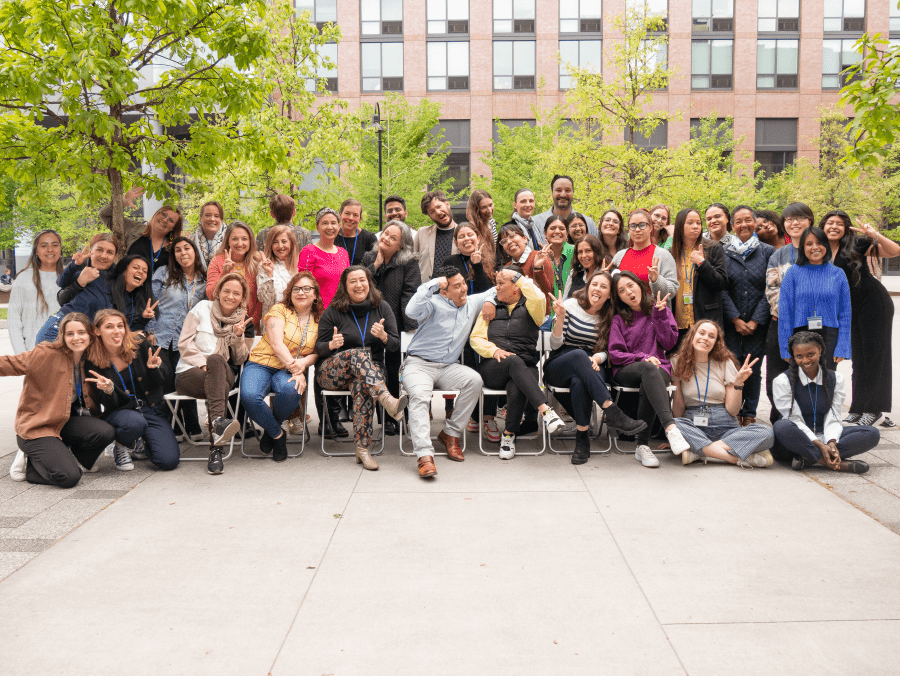
The school and Parent Organization had a whole week of activities and surprises planned to celebrate our educators on Teachers Appreciation Week. Their passion for teaching, their guidance, and their unwavering support shape the future of our students. We are proud to have such an amazing team of high-qualified educators who are committed to making a positive difference in the world!

Group Photo 2-min

¡Feliz Cinco de Mayo!

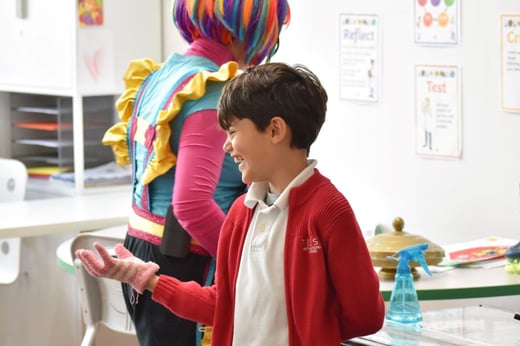
At Tessa, we joined in the festive spirit and celebrated this vibrant  holiday! Some of our classes explored the rich culinary traditions by learning how to make delicious guacamole,  while others created their own tasty tacos. Our Primary students also had the visit of clown. The creativity was overflowing with adorable arts and crafts projects that capture the essence of this special day.
We hope you had a memorable and festive Cinco de Mayo celebration!

DSC_1003-1

Field Trip at the Farm

Our PK3 and PK4 classes went on a field trip to Queens County Farm Museum, as part of their unit “Sharing the Planet”. We had a blast petting the goats, pigs, and chickens and learning about their role in agriculture. The kids were able to make their own butter, which was a hit! We took a ride around the farm and saw the fields where the crops are grown. It was a fun and educational day that taught us all about the important jobs that animals have on the farm.

PXL_20230515_153803964.MP (1)

Visit from French Senator Cazebonne

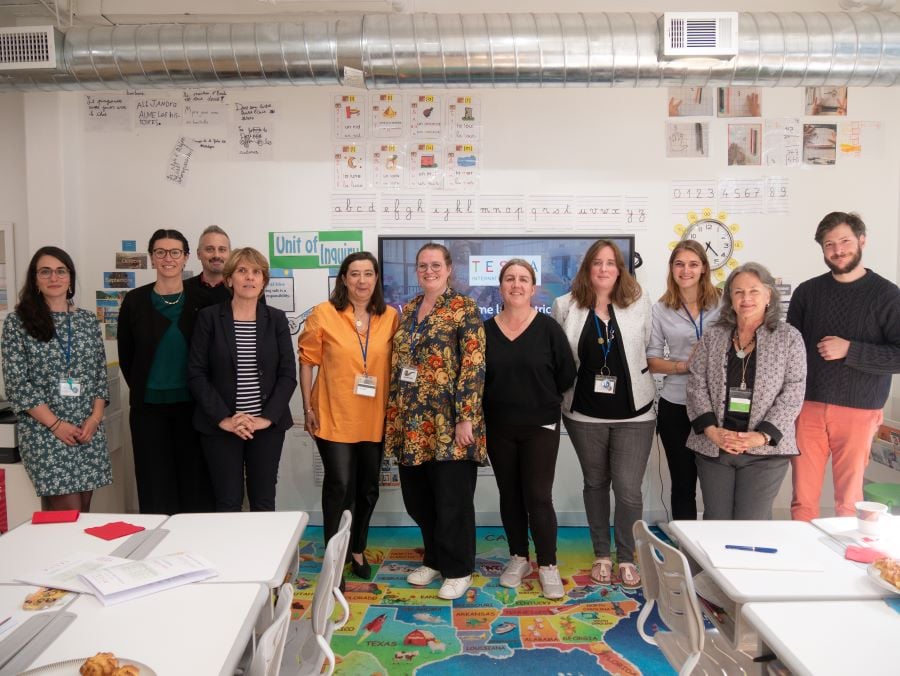
We welcomed French Senator Samantha Cazebonne and her delegation to Tessa International School this week! We are proud to have presented them with our unique educational program that combines the International Baccalaureate (IB) program with the French Curriculum.
This visit was an opportunity for Senator Cazebonne to meet with parents and teachers, visit our premises, and discover our innovative and stimulating learning environment.
We are grateful to Senator Cazebonne and her delegation for their interest in our school and their continued support for quality education for young children.

P1160194

End of Unit Celebration

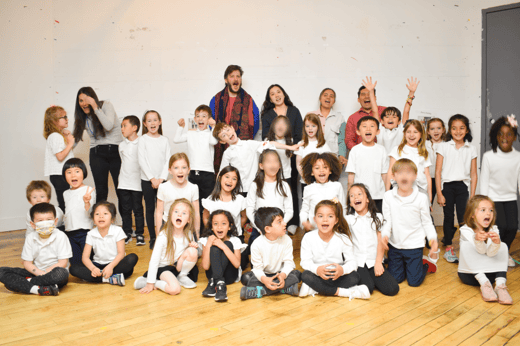
To celebrate their unit on How We Organize Ourselves, our Primary classes teamed up and organized a play for the parents. The central idea was “Staying safe is a shared responsibility”, so they imagined role plays where to put in practice safety measures in different case scenarios. Students wrote the script and dialogue on their own, incorporating bilingual plays. They also decided on the costumes and set up of the room. We are very proud of all they achieved. They demonstrated great creativity and leadership skills, in autonomy.

DSC_0131-2

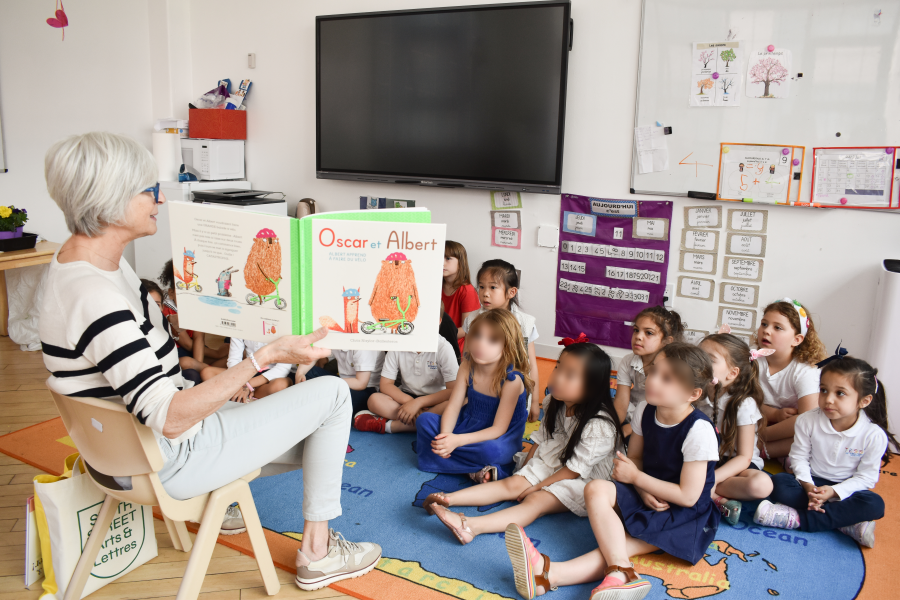
Ecole des Loisirs

L’école des loisirs visited Tessa this month, and students from the French track enjoyed storytimes in French. It is one of the most important French-language publishers of children’s books. For over 50 years, they have published illustrated books, novels, and comic books that have gained international recognition for their creative qualities. L’école des loisirs is distributed worldwide.
They created the Max Book Club, offering subscribers 8 books a year.

DSC_0166-2


Join us at Tessa International School

Discover why our bilingual curriculum is recognized as one of the best. Learn how we combine academic excellence with engaging, interactive experiences that foster global awareness.

Join us at Tessa International School

Discover why our bilingual curriculum is recognized as one of the best. Learn how we combine academic excellence with engaging, interactive experiences that foster global awareness.